Tea Buyer Blog

Practical guidance for custom tea beverage buyers

Decision-focused notes for overseas importers, private-label brands, retailers, foodservice teams, manufacturers, and distributors evaluating Chinese tea beverage projects.

Featured

Start with these buyer notes

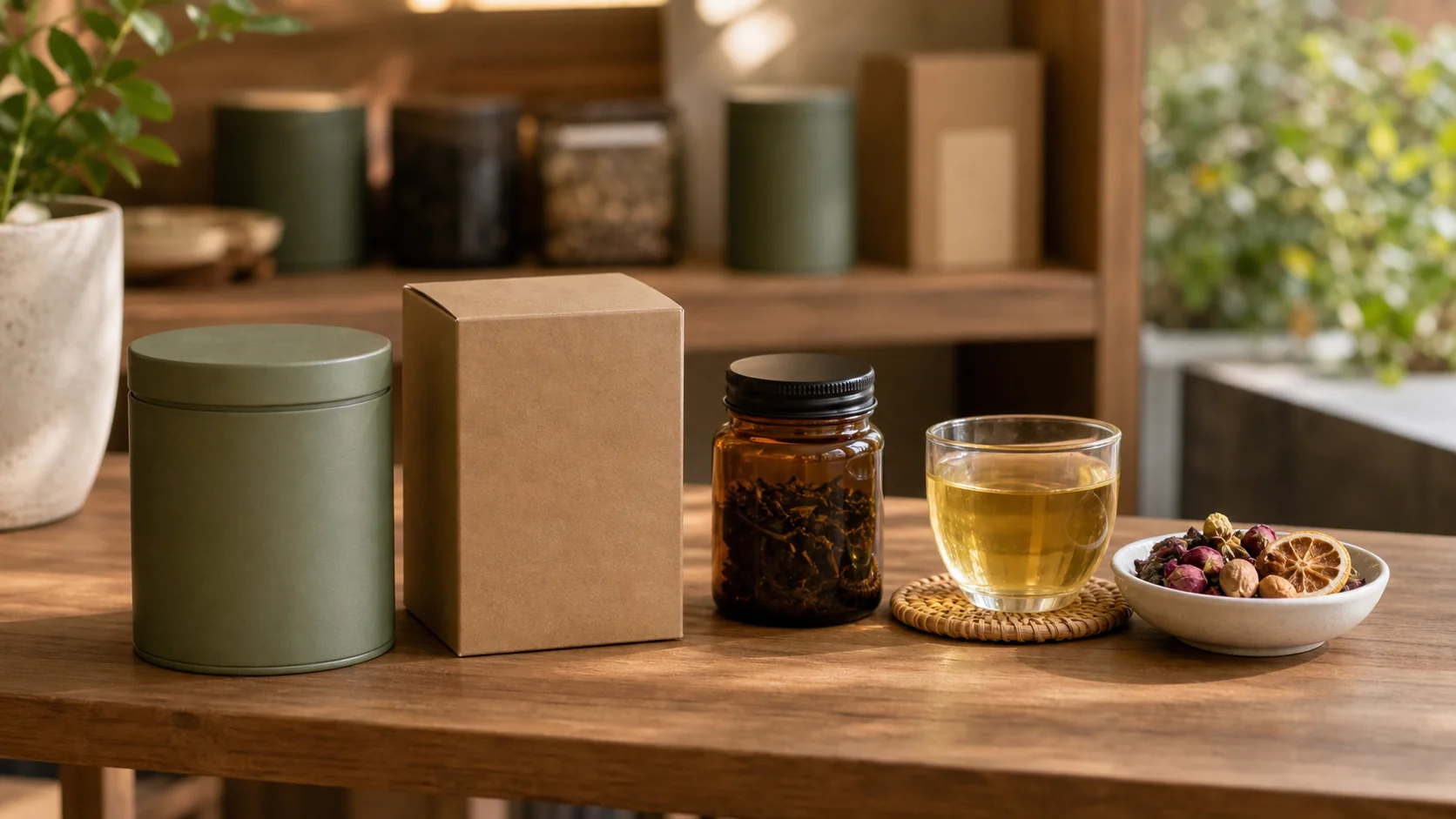
A sparse retail tea collection display with a green tin, kraft box, glass jar, brewed tea, and botanicals
Product StrategyMulti-category tea beverage planning

How to Build a Custom Chinese Tea Beverage Category Map

A B2B framework for organizing matcha, herbal tea, substitute tea and freeze-dried fruit tea opportunities before a buyer requests samples or packaging work.

Buyer takeaway

Map the commercial scene first, then connect each opportunity to a product family, preparation method, sensory target, format and evidence request. The result should be a short decision map, not a supplier catalog copied into a presentation.

2026-07-109 min read

Editorial concept image; not customer, factory, production, certification, or batch evidence.
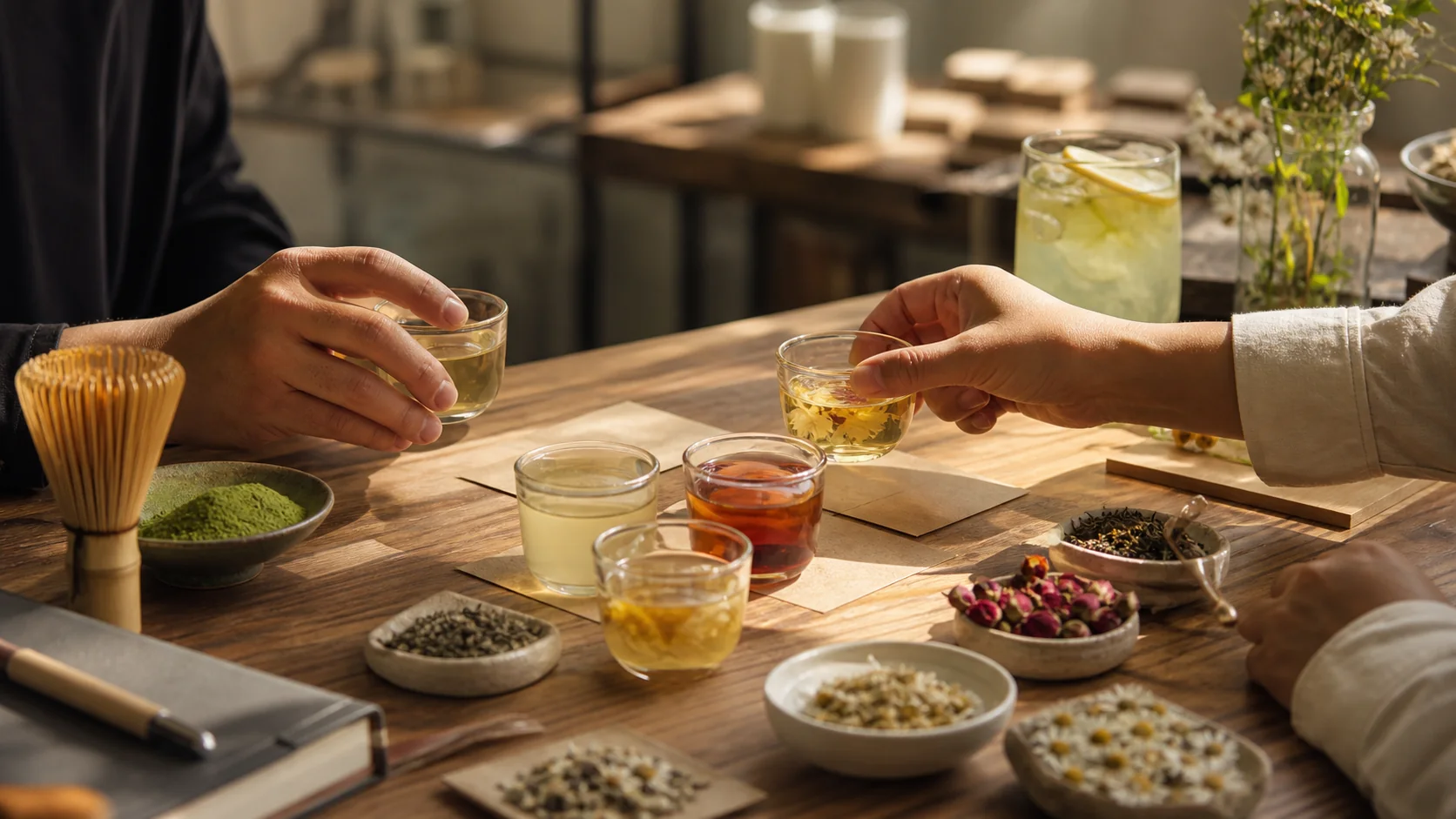
Hands reviewing brewed tea samples and botanical ingredients in a tea development studio
Private Label DevelopmentPrivate label concept development

Private Label Tea Development: From Buyer Brief to Sample Review

A stage-by-stage guide to aligning a private label tea concept, sample feedback, packaging direction and documentation without guessing supplier terms.

Buyer takeaway

Treat private label development as a sequence of decisions with owners and approval evidence. Align the brief, product sample, packaging route and document set separately, then connect them at controlled review points.

2026-07-1010 min read

Editorial concept image; not customer, factory, production, certification, or batch evidence.
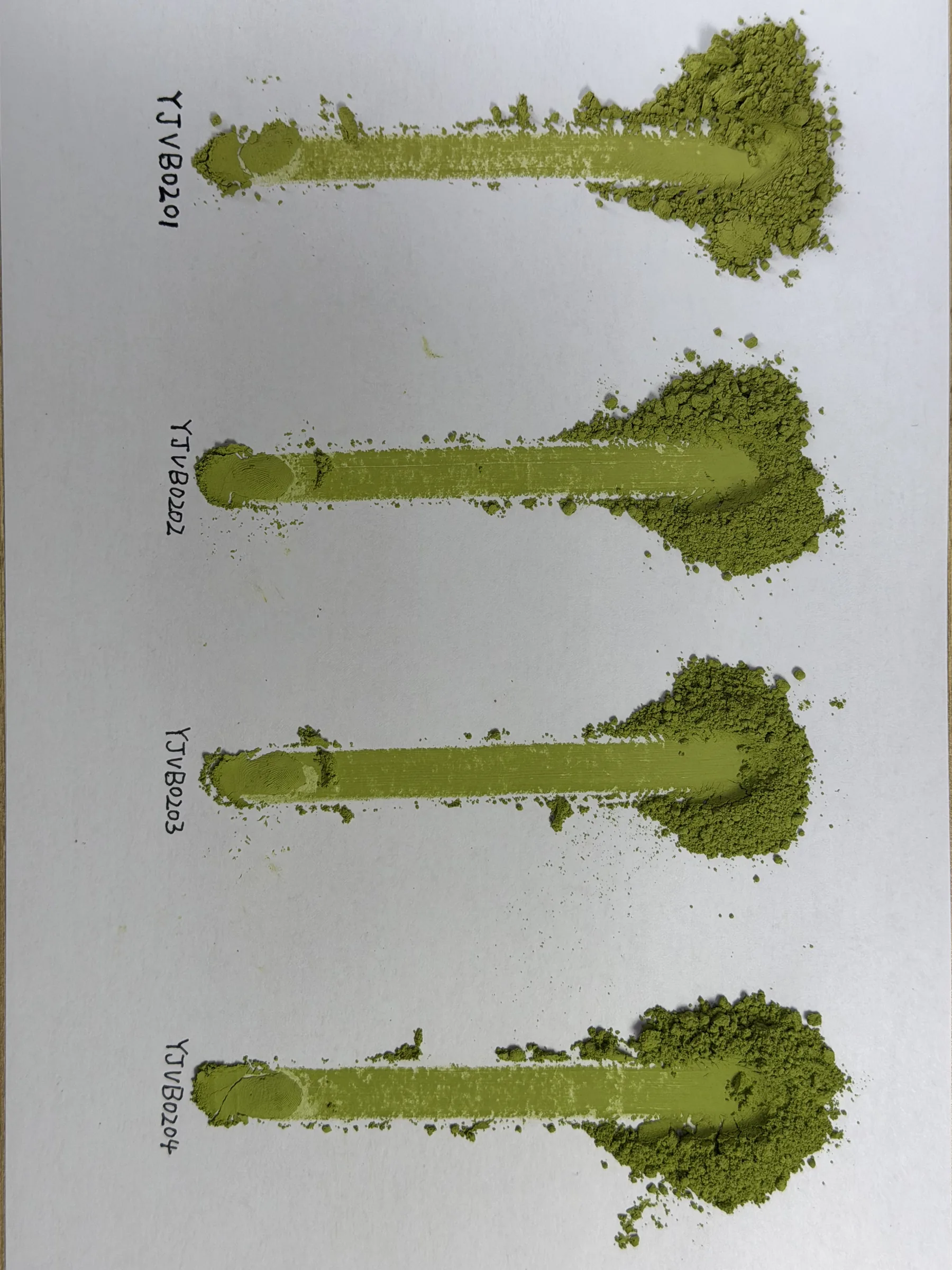
Matcha powder shown in a real product comparison setup
Ingredient & Format GuidesMatcha application and format selection

Matcha Grade Selection for Cafe, Retail and Private Label Buyers

How B2B buyers can select matcha by application, sensory target, preparation and evidence instead of relying on inconsistent grade labels alone.

Buyer takeaway

Grade names are only a starting vocabulary. Compare matcha in the intended recipe and preparation method, then review sensory observations, product specifications and batch-relevant evidence before selecting a route.

2026-07-109 min read

Editorial concept image; not customer, factory, production, certification, or batch evidence.
All articles

10 articles

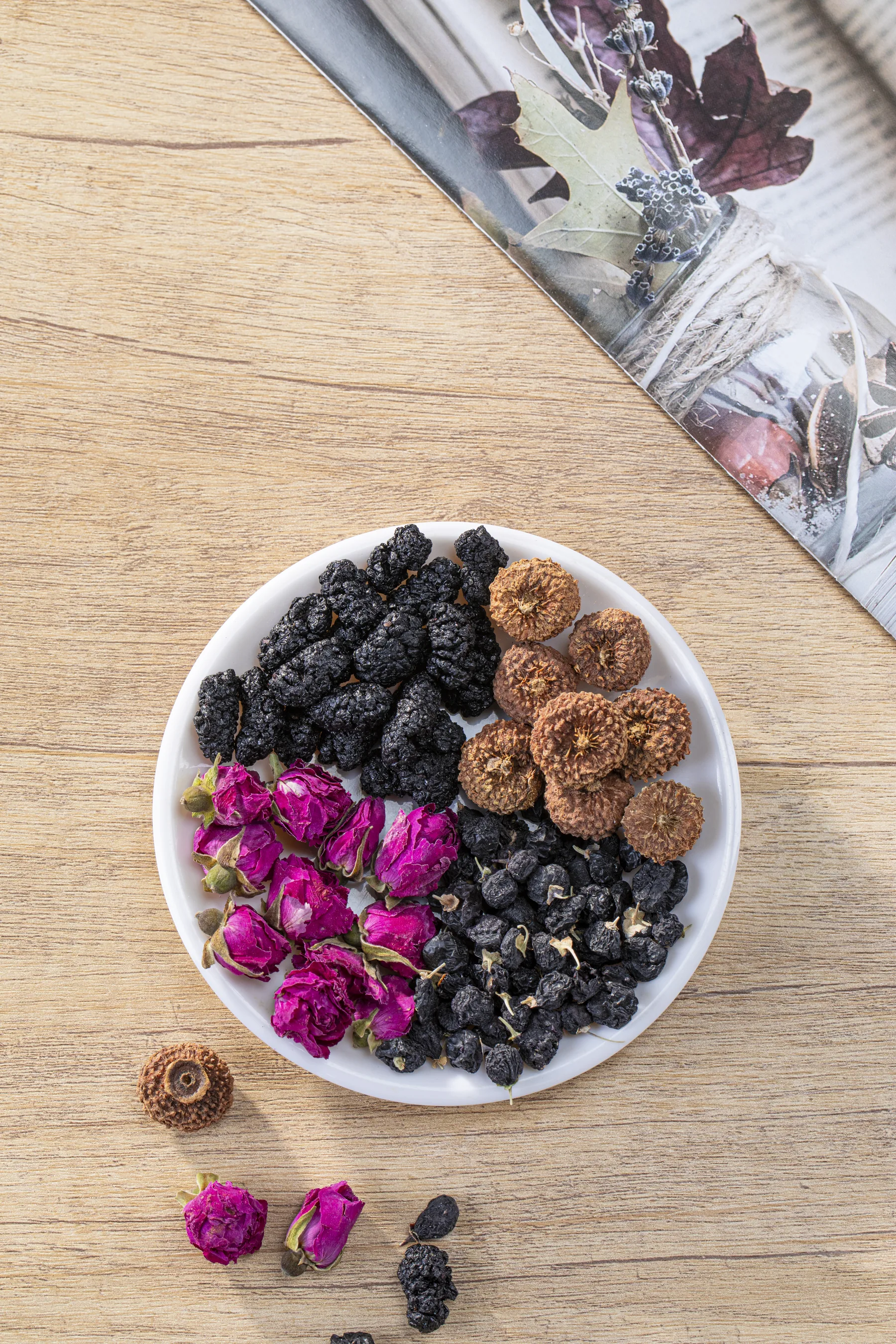
Rose, mulberry, and botanical ingredients arranged in a bowl
Ingredient & Format GuidesCustom herbal and botanical blending

Custom Herbal Tea Blending: A Buyer Framework for Flavor and Format

A buyer framework for turning a herbal tea idea into a testable sensory brief, blend sample, preparation method and packaging direction.

Buyer takeaway

Describe the intended drink through flavor architecture, visible ingredients, preparation and channel requirements. Let evidence and market review determine permissible ingredient and claim language; do not use a benefit slogan as the formula brief.

2026-07-109 min read

Editorial concept image; not customer, factory, production, certification, or batch evidence.
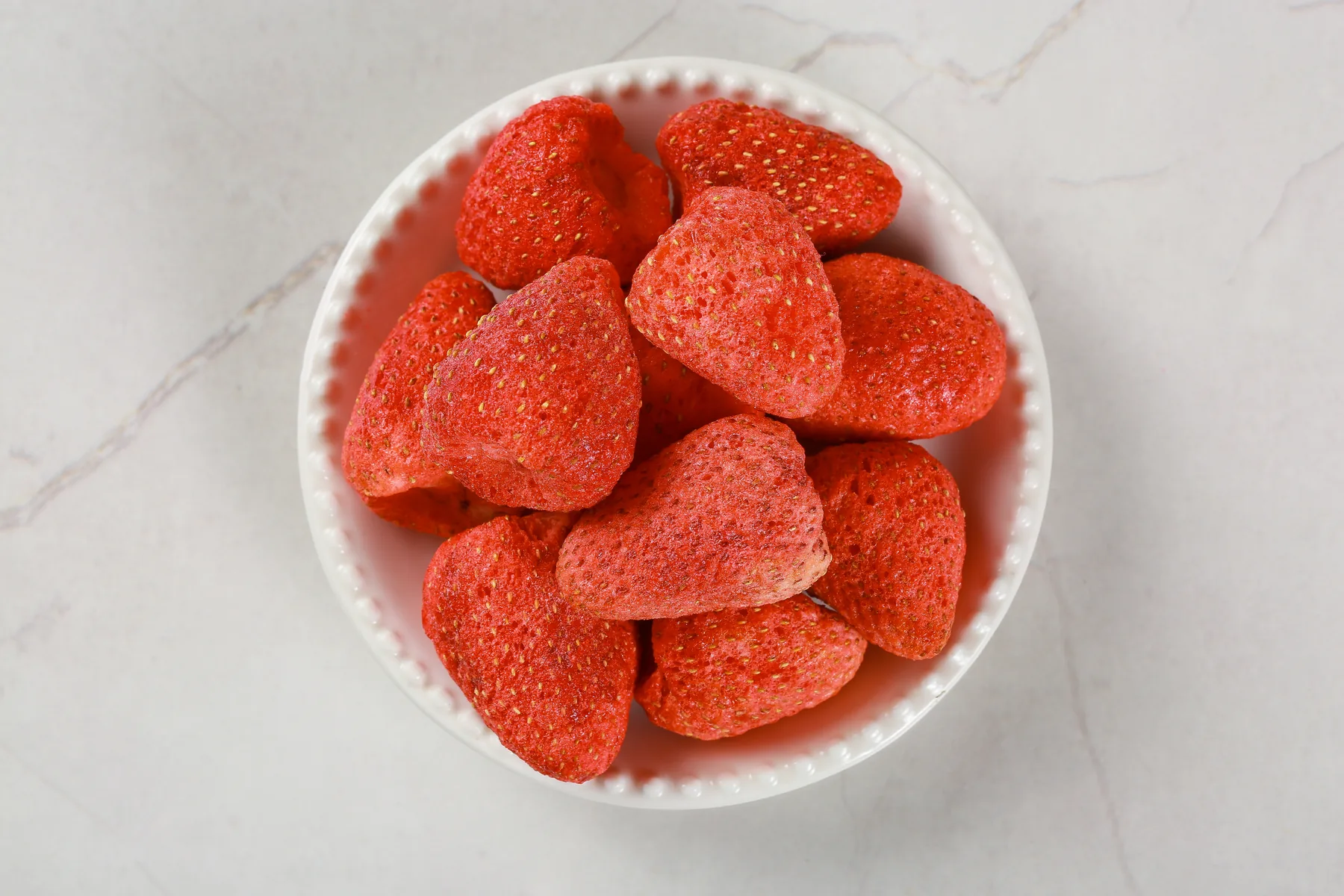
Freeze-dried strawberries in a bowl
Ingredient & Format GuidesFreeze-dried fruit tea and fruit infusion selection

Freeze-Dried vs Conventionally Dried Fruit Tea: A Buyer Comparison

A B2B comparison of freeze-dried and conventionally dried fruit ingredients across appearance, infusion behavior, format, packaging and sourcing review.

Buyer takeaway

Choose the fruit process by the finished product experience, not by a universal quality hierarchy. Compare representative samples for appearance, aroma, rehydration, flavor contribution, handling and pack compatibility under the intended preparation method.

2026-07-109 min read

Editorial concept image; not customer, factory, production, certification, or batch evidence.
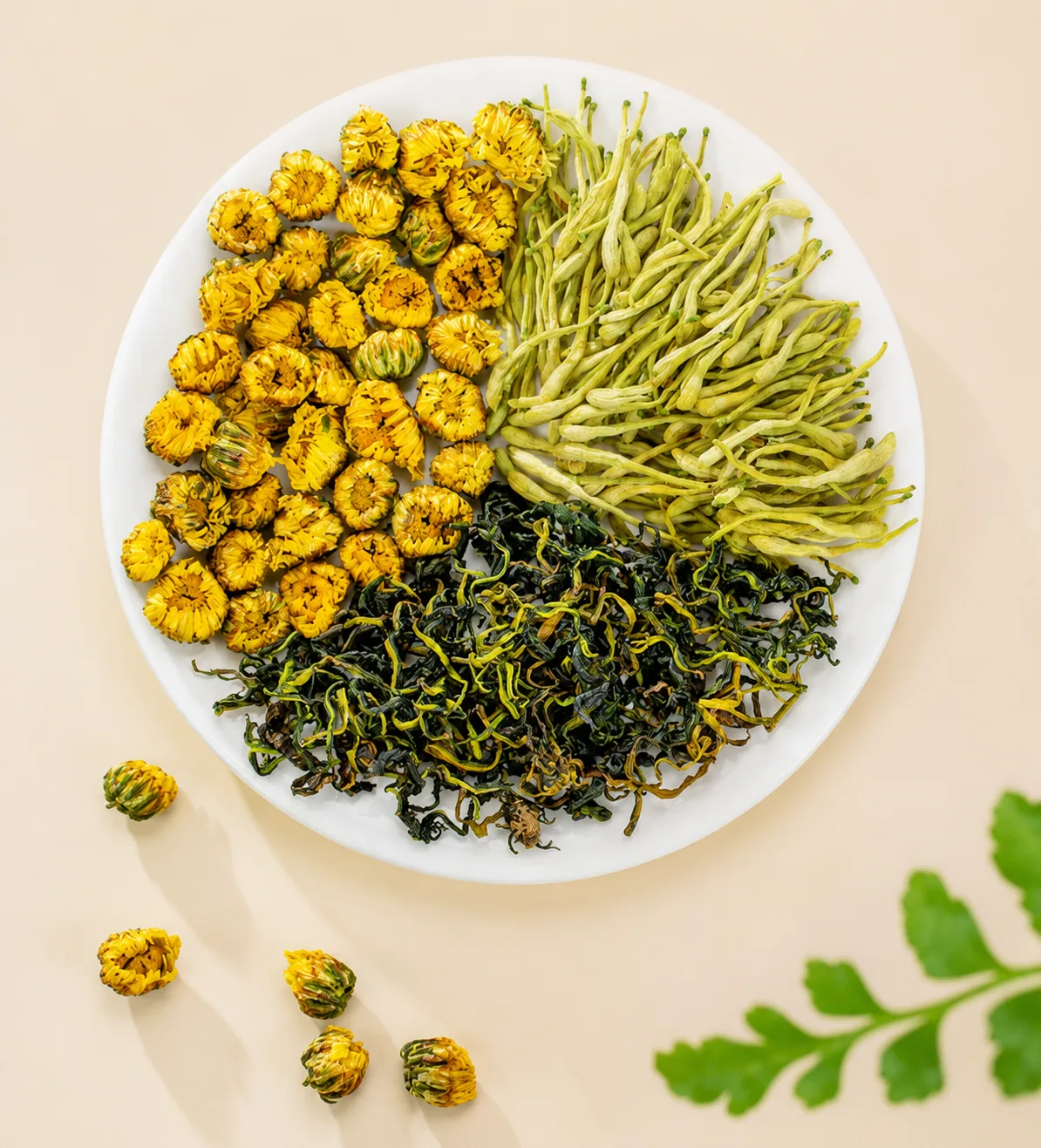
Botanical tea ingredients arranged for substitute tea blending
Product StrategyChinese substitute tea and botanical infusions

Chinese Substitute Tea: Terminology and Sourcing Guide for Buyers

A terminology-first guide to Chinese substitute tea, helping global buyers brief non-Camellia infusion concepts with clear identity and compliant market language.

Buyer takeaway

Use substitute tea as a sourcing category, then identify the actual botanical ingredients and the market-facing product name separately. Clear terminology helps buyers avoid translating a broad Chinese category into unsupported claims or confusing labels.

2026-07-109 min read

Editorial concept image; not customer, factory, production, certification, or batch evidence.
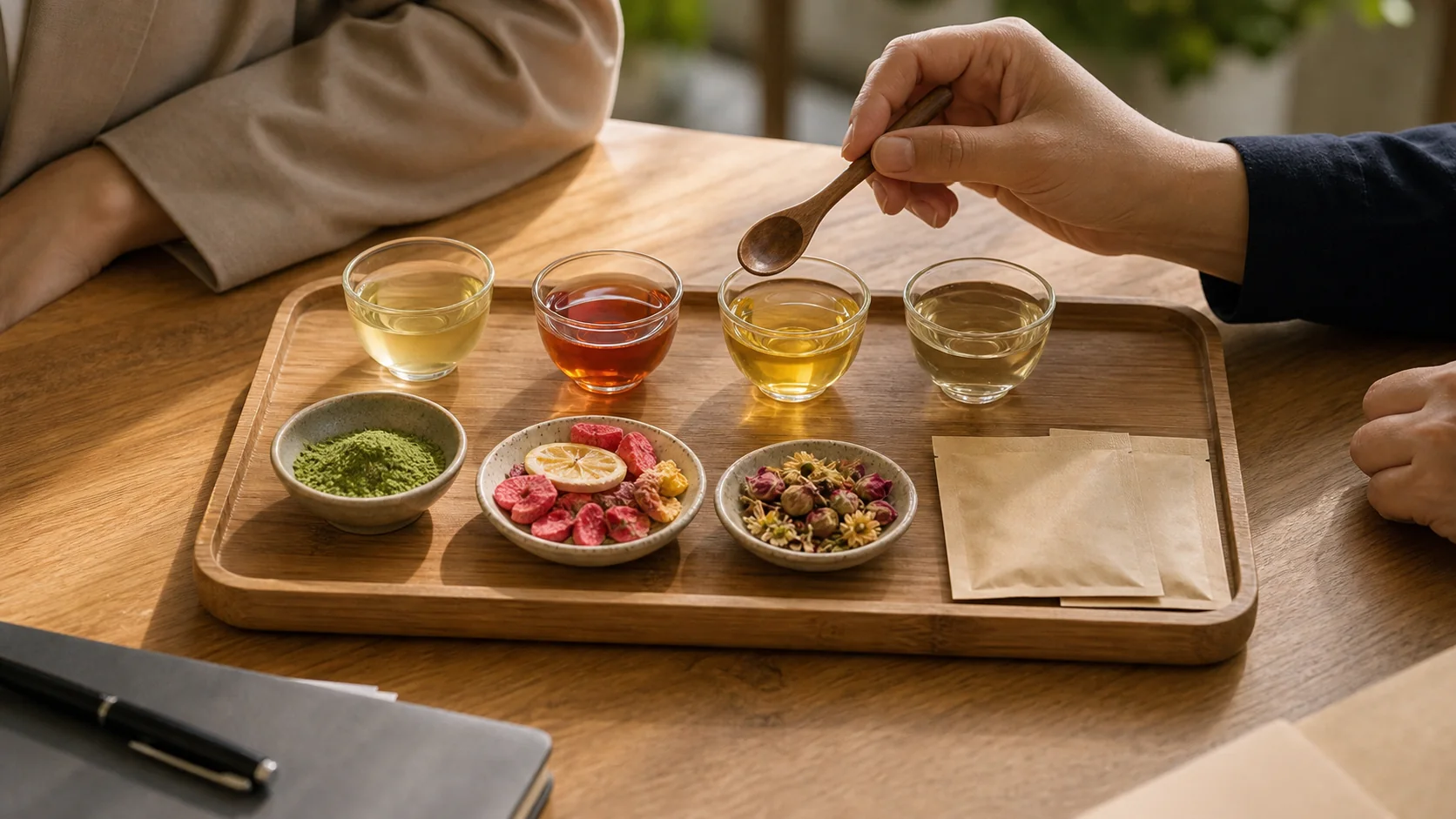
A compact tea tasting tray with brewed samples, matcha powder, fruit pieces, and botanical ingredients
Sampling & PackagingBuyer sampling and approval workflow

Tea Sample Development Checklist for B2B Buyers

A practical checklist for briefing, receiving, tasting, revising and approving tea beverage samples across product and packaging workstreams.

Buyer takeaway

A sample is a decision object, not a souvenir. Give it a stable identity, prepare it consistently, collect structured feedback, connect it to documents and record exactly what is approved or revised.

2026-07-1010 min read

Editorial concept image; not customer, factory, production, certification, or batch evidence.
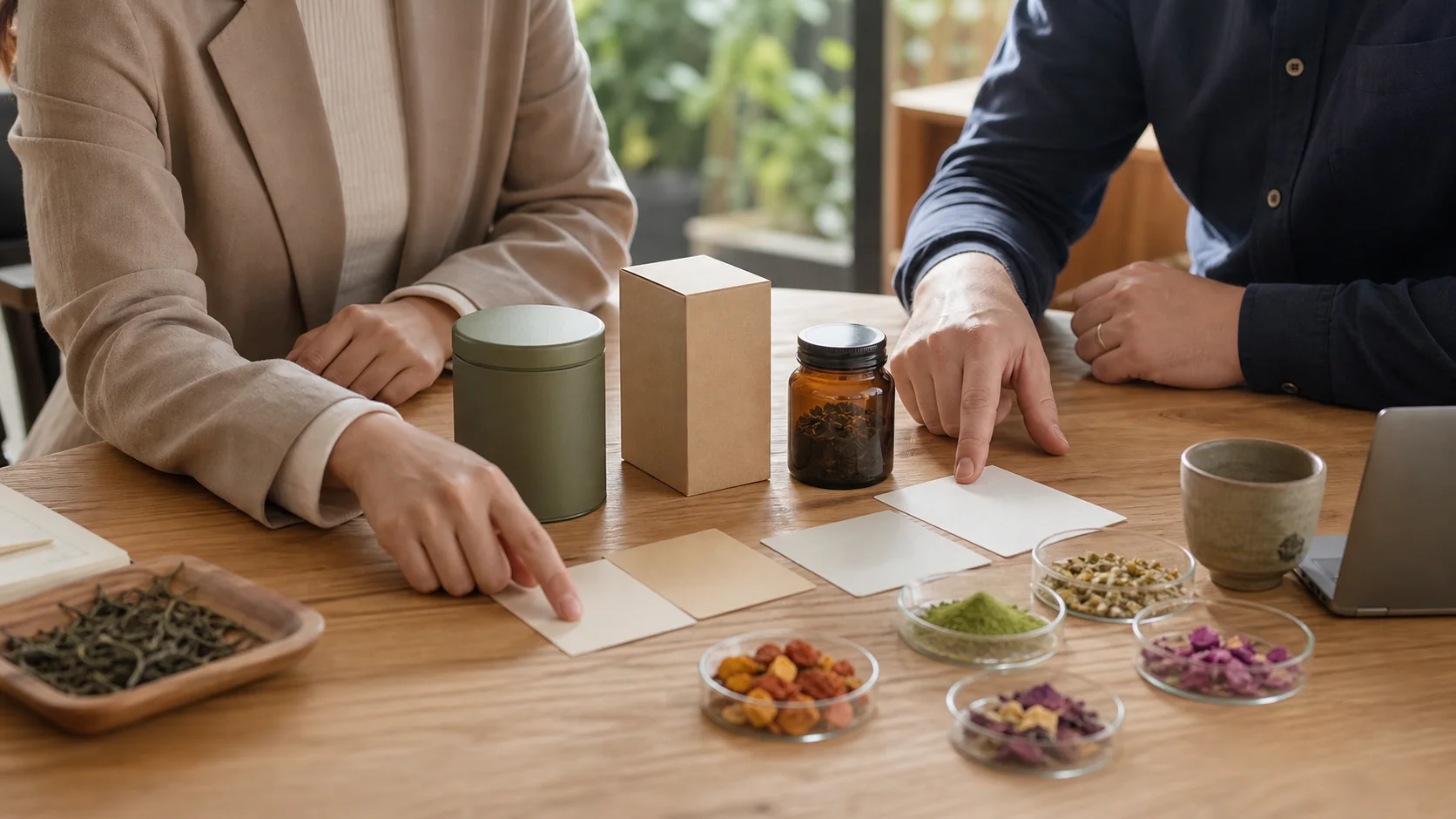
A buyer and product developer reviewing unbranded tea packaging prototypes and samples
Sampling & PackagingTea packaging and trial-kit selection

Private Label Tea Packaging Formats Compared by Use Scene

A use-scene comparison of pouches, tins, tea bags, stick packs, gift boxes and sample kits for private label tea development.

Buyer takeaway

Choose packaging from the use scene outward. Product form, preparation, portioning, protection, label space and operator or consumer workflow should narrow the format before visual design begins.

2026-07-109 min read

Editorial concept image; not customer, factory, production, certification, or batch evidence.
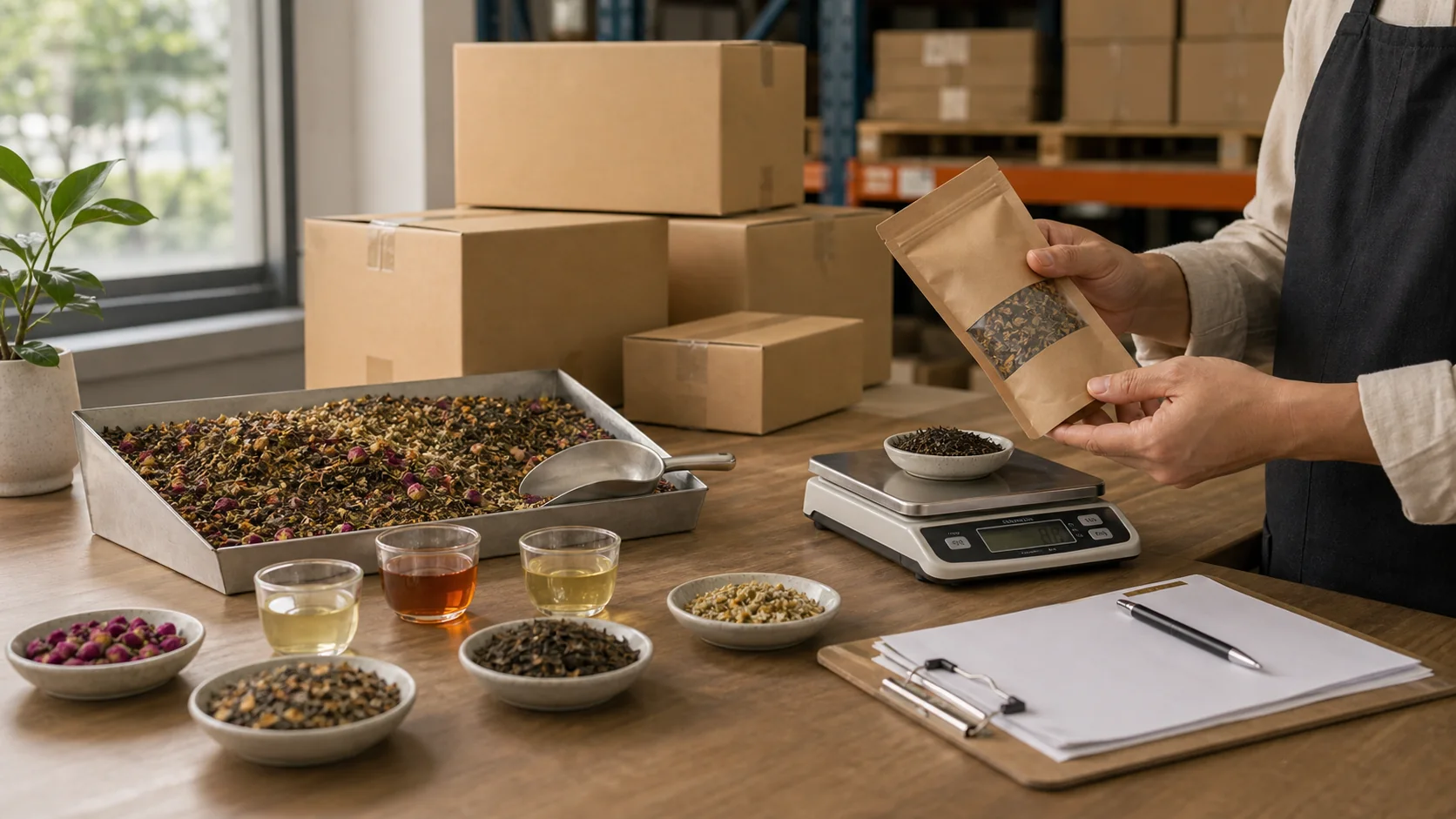
A bulk tea sample desk with cartons, loose tea ingredients, sample cups, and a scale
Quality & ComplianceSupplier, product and batch document review

Tea Buyer Document Checklist for Supplier and Product Review

A purpose-led checklist for requesting product, batch, ingredient, packaging and supplier documents without assuming every record applies.

Buyer takeaway

Request each document for a stated review purpose and connect it to the supplier, product, packaging component or batch it describes. A longer folder is not automatically stronger evidence; relevance, currency and traceability matter.

2026-07-1010 min read

Editorial concept image; not customer, factory, production, certification, or batch evidence.
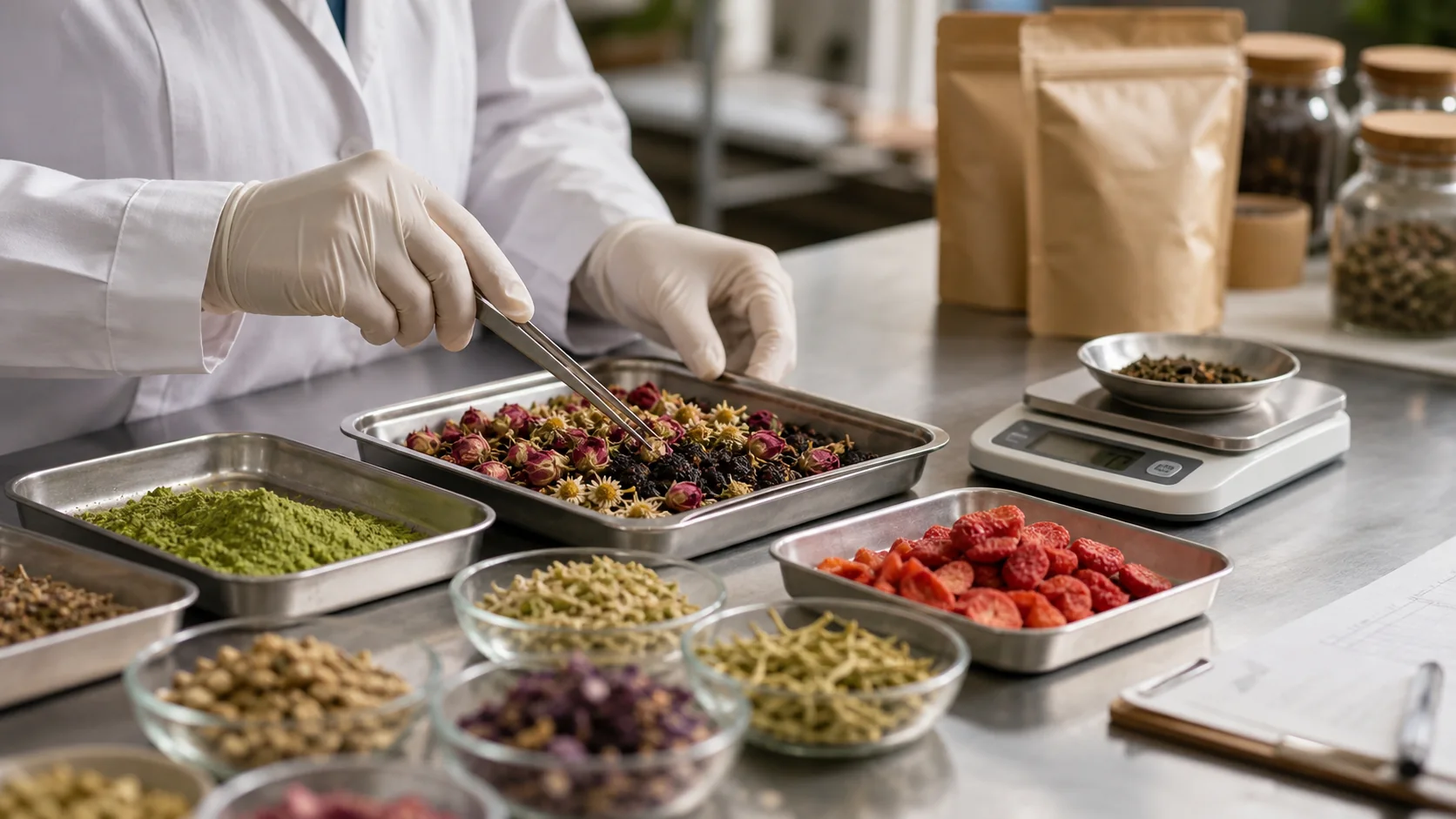
Gloved hands arranging tea ingredients on a staged sample-preparation table
Private Label DevelopmentOEM, ODM and private label scope selection

OEM vs ODM vs Private Label Tea: Choosing a Development Route

A decision guide to OEM, ODM and private label tea terminology, scope, ownership and buyer responsibilities for global B2B projects.

Buyer takeaway

Do not select a route from the acronym alone. Define who owns the concept, formula, product decisions, packaging, artwork, market review and approvals, then ask the supplier to describe its actual scope in writing.

2026-07-1010 min read

Editorial concept image; not customer, factory, production, certification, or batch evidence.

Have a product direction in mind?

Share your target market, application scene, product direction, sample needs, and packaging questions for a focused next conversation.

Submit Buyer Brief