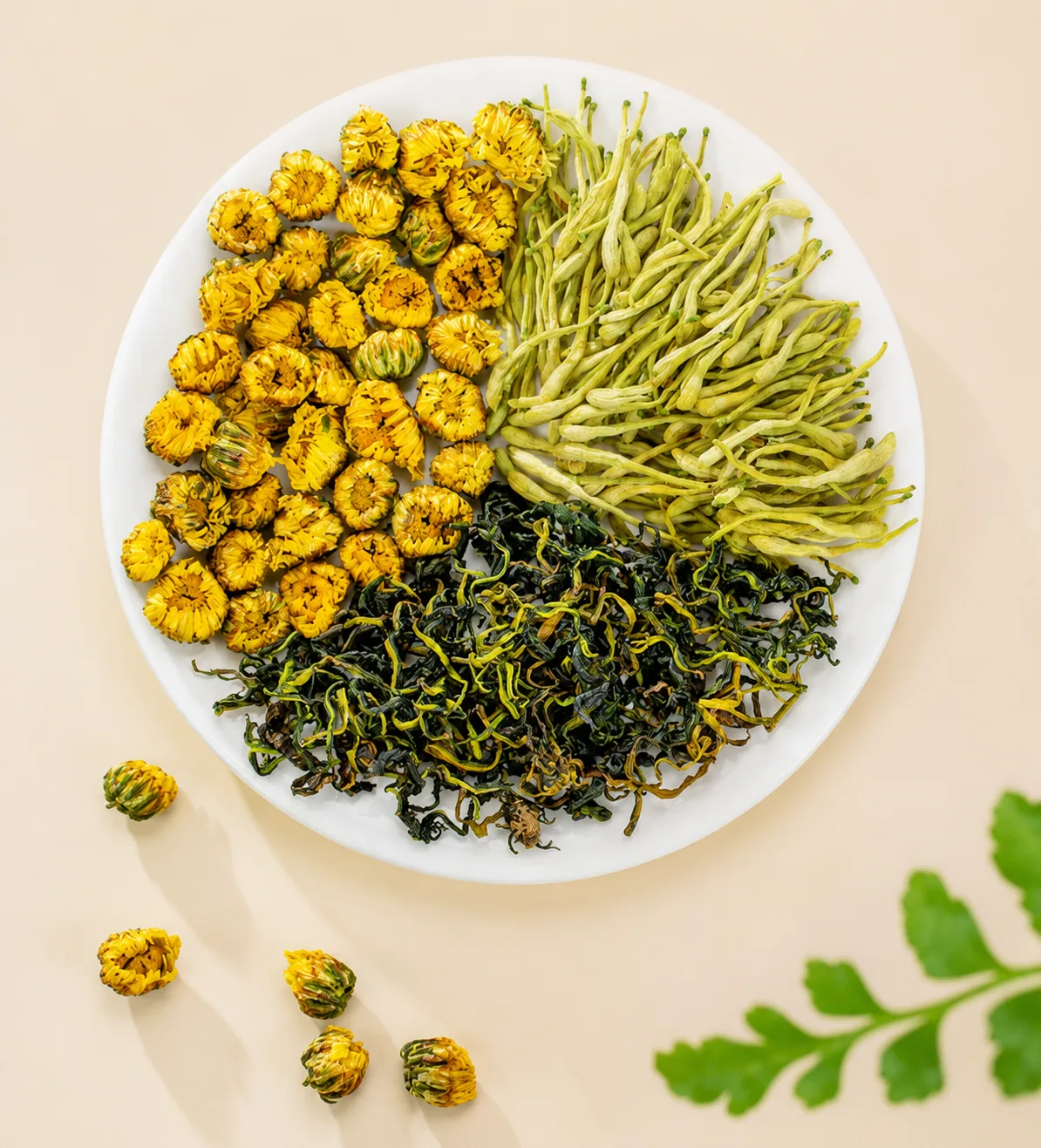
What substitute tea means in a sourcing conversation
In Chinese commercial and regulatory contexts, substitute tea can refer broadly to plant materials prepared by infusion in a tea-like way but not necessarily made from Camellia sinensis. The term is useful for category mapping, yet it is not automatically the best consumer-facing name in another market. Buyers should identify the actual ingredients and intended presentation.
A supplier may group flowers, fruits, roots, leaves or blended botanicals under this route. That grouping does not make the materials interchangeable. Each ingredient has its own identity, processing, sensory contribution and review requirements. Ask the supplier to explain how it uses the term and which product specification corresponds to the sample offered.
Separate category language from label language
Category language helps procurement teams search and organize options. Label language must communicate accurately to the target market and may need to use names such as herbal infusion, botanical blend, fruit infusion or another reviewed description. A direct translation can be confusing if local buyers interpret tea as only Camellia-based products.
Do not turn traditional associations into medical, treatment or disease claims. Early copy can describe ingredient identity, aroma, flavor, color, preparation and use occasion. The buyer's compliance partner should review the final name, ingredient declaration and claims for the actual formulation and destination market.
Identify the material behind the common name
Common ingredient names can refer to different species, plant parts or processed forms. Buyers should request the identity used in the supplier's specification and clarify which part is supplied. Photographs and sensory descriptions help communication, but they do not replace documented identity when that information is required for review.
If origin is central to the story, request evidence that applies to the offered material. Origin information should remain a specific, documented attribute rather than a decorative phrase attached to unrelated stock. Keep origin-led ingredients as supporting context unless the buyer has chosen them as a verified product focus.
Brief the preparation and sensory outcome
Tell the supplier whether the product is intended for a tea bag, loose infusion, cold brew pouch, cafe preparation, hotel service or retail gift. Describe the desired aroma, flavor balance, visual character and finish. A substitute tea brief becomes actionable when it explains the drink experience rather than merely naming a broad category.
Test the sample using the planned format and record conditions. Botanical materials can behave differently when cut, blended or portioned. Observe infusion clarity, visible pieces, sediment, aroma development and service practicality. These observations help the buyer choose a product route without making unsupported statements about universal preparation performance.
Request documents according to ingredient and market
Build a question list around identity, composition, allergen considerations, product specifications, storage, packaging and batch documents needed by the buyer's process. Exact availability depends on the material and supply route. Ask for current evidence instead of copying a checklist of certificates that may not apply.
Market admissibility and labeling are buyer-side review questions as well as supplier communication questions. A material used in one place or tradition is not automatically approved for every product category and destination. Keep unresolved market questions visible and seek qualified review before artwork or claims are finalized.
Use a bilingual terminology record
For each concept, maintain the supplier's Chinese category term, the ingredient identity in supplied documents, an English working description and the proposed market-facing name. Note who approved each field. This small terminology record prevents sourcing language, technical identity and marketing copy from drifting into contradictory versions.
Update the record when the formula or ingredient source changes. Link it to the approved sample and document folder so future teams can understand what was actually purchased. Good terminology work is not cosmetic; it is the foundation for clearer sampling, label review, internal search and supplier comparison across a diverse category.