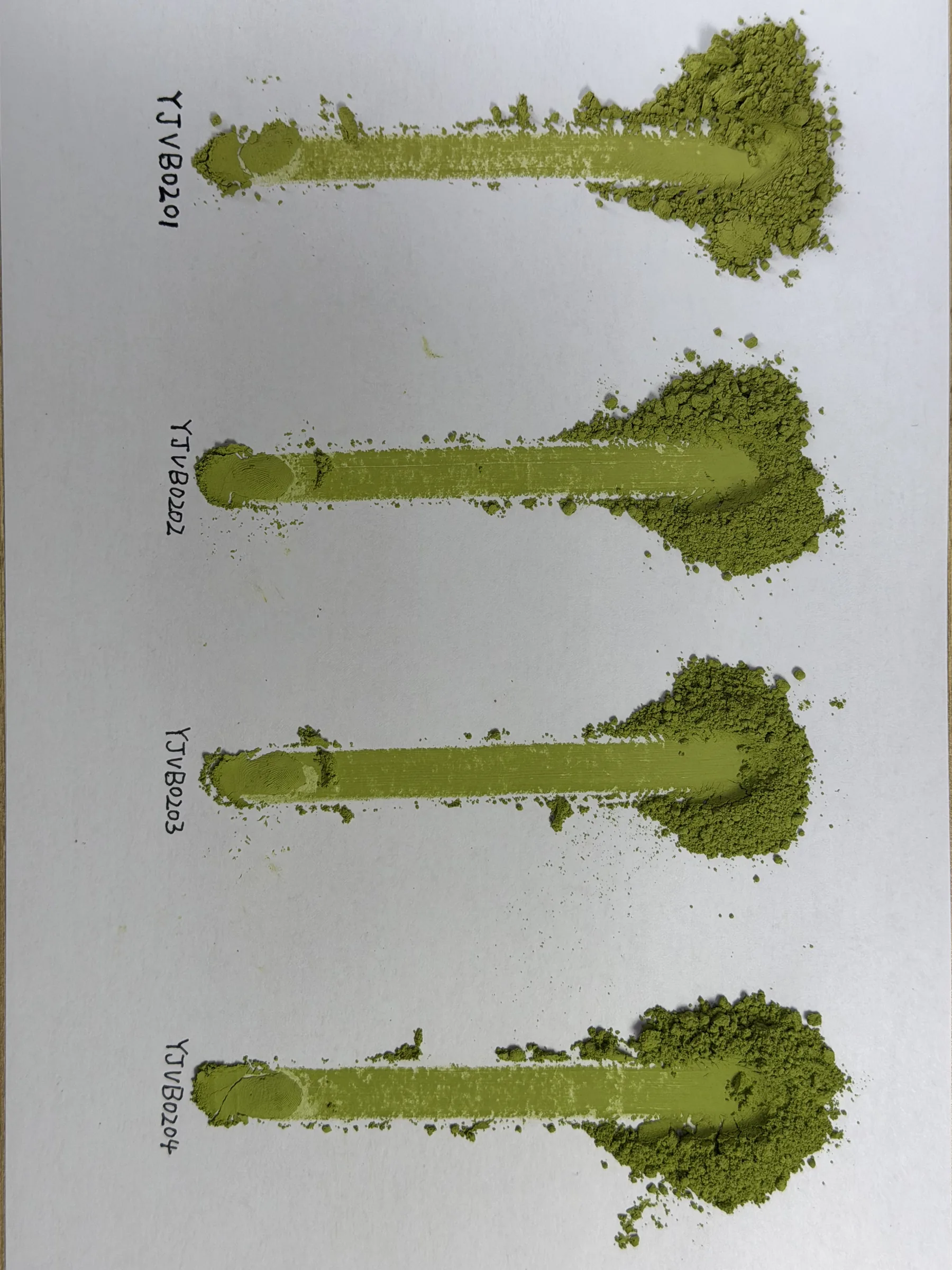
Why grade labels cannot make the decision alone
Terms used to describe matcha grades are not a complete cross-supplier specification. The same label may represent different sensory profiles, intended applications or internal sorting systems. Buyers should ask what a supplier means by a grade and then evaluate the actual sample against the planned beverage or retail use.
A useful selection process begins with function. Matcha served with water, mixed into milk, blended with other ingredients or packed for consumer preparation faces different demands. A higher-positioned label does not automatically create the best commercial fit. The correct route is the one that meets the defined sensory and operating requirements with supportable product information.
Translate the application into evaluation criteria
For a straight preparation, buyers may focus on aroma, balance, mouthfeel, color and finish. For a latte or formulated drink, they should also observe whether the matcha remains recognizable beside milk, sweetness and other flavor components. For retail powder, consumer preparation instructions and expected use occasions become part of the decision.
Write criteria before tasting so the team does not reward a sample merely because it is vivid or familiar. Include preparation equipment, water or base, mixing sequence and serving temperature used during review. These conditions are not universal claims; they are a controlled internal method for comparing supplier samples in the buyer's intended context.
Compare appearance and sensory performance together
Color is visible and commercially relevant, but it should not be judged in isolation. Lighting, photography, storage and recipe context can change perception. Review dry powder appearance, prepared appearance and sensory performance side by side. Record observations with sample codes rather than relying on supplier names or price cues during the first tasting.
Look for fit with the target profile: fresh or toasted aroma direction, perceived bitterness, savory character, body and finish. These are descriptive observations, not health or quality guarantees. A sample that works in one recipe may be too delicate or too assertive in another, which is why application testing belongs at the center of grade selection.
Review powder behavior in the real workflow
Test how the powder disperses with the equipment and service method the buyer expects to use. A cafe may care about repeatability during busy service, while a packaged mix project may require compatibility with other dry components. Record clumping, settling, foam and visual consistency as workflow observations under the chosen preparation conditions.
Do not convert a small internal test into a broad performance claim. If processing behavior is critical, define a suitable trial with the supplier or production partner. Ask which sample attributes and handling instructions are documented, and identify what still needs validation in the buyer's own formulation or operating environment.
Connect the sample to documents and lot review
Request the product specification, ingredient identity, storage guidance, packaging information and batch-relevant documents needed by the buyer's review process. The exact list depends on market, product route and internal requirements. Certification or testing claims should only appear when the supplier provides current evidence applicable to the product under discussion.
Confirm whether the approved sensory sample and later commercial supply are governed by a defined specification and review process. Natural variation does not remove the need for agreed expectations. Buyers should document which characteristics are decision-critical and how questions about a future lot will be raised and resolved.
Choose a route, then preserve an alternative
Select the matcha that best fits the primary application and document the reason. Preserve a second route when it serves a meaningful alternative, such as a different preparation or positioning tier, rather than keeping several nearly identical samples without a decision. This makes supplier follow-up and internal budgeting more focused.
Revisit the choice if the recipe, packaging, channel or preparation method changes. Matcha selection is connected to the full product system, not a permanent judgment about one powder. A short selection memo should identify the approved sample, application test, sensory rationale, evidence reviewed and remaining validation work.