Describe what is visible, then name the question
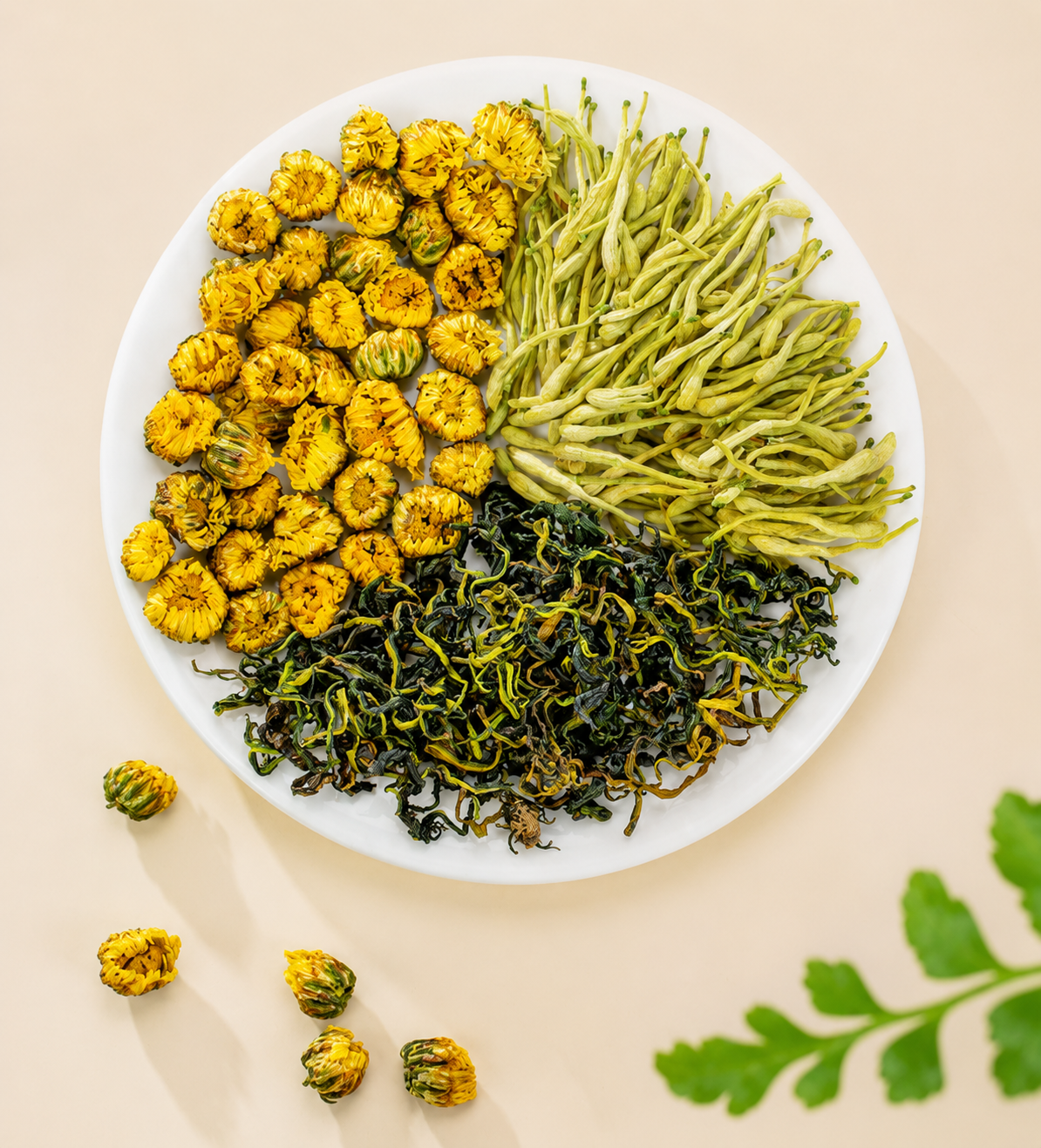
A dry botanical image can give a team a shared vocabulary: whole flower heads, buds, leaves, cut size, colour, and the degree of visible ingredient presence. That is useful before samples are selected because it turns a vague wish for a floral or botanical tea into observations that the buyer can discuss.
The image is not a formula or a health statement. It does not establish exact ingredients, percentages, treatment, origin, organic status, or suitability for a destination market. Keep those items in the project question list until the supplier and relevant reviewers provide current information for the selected route.
Define the drinking moment and channel
A hotel welcome cup, an office infusion, a retail sachet, and a cafe drink may use similar botanical language while needing different preparation behavior. State the intended user, serving temperature, vessel, portioning approach, and whether ingredient visibility in the cup matters. These decisions help focus the sample conversation.
Add a sensory direction in plain language: floral aroma, roasted note, citrus lift, tea-base presence, sweetness expectation, colour, or finish. Treat these as tasting targets rather than claims. A buyer can decide whether a sample fits the intended moment without promising a wellbeing, functional, or medical outcome.
Ask for a sample route that can be compared
Request samples with stable codes and prepare them consistently. Record dry form, water temperature, steep time, volume, cup appearance, aroma, flavour, mouthfeel where relevant, and aftertaste. If the sample is expected to work in a mixed beverage, test it in the actual base rather than assuming a plain-water result will transfer.
Consolidate feedback before it is sent back. A short list of prioritised changes is more useful than several conflicting comments. The decision record should distinguish what the buyer observed, what the buyer prefers, and what needs supplier confirmation.
Keep blend facts and document requests visible
Once a direction advances, ask the supplier to identify the sample and provide the current product information appropriate to the route. Ingredient identity, allergen questions, storage discussion, and market-label work should be requested according to the project rather than copied from generic claims online.
Where information is unknown, write it as an open question. Do not fill gaps with a sourcing story or a medical benefit. This preserves a credible trail from the visible supplied material to the actual product review.
Connect ingredients to format only after tasting
Whole flowers, leaves, and visible pieces can affect preparation and service, so format discussion should follow the sample route. Consider whether the buyer is evaluating loose material, a tea bag, a trial sample, or another presentation, and how that choice changes the consumer or operator experience.
Use unbranded packaging references only to discuss form and workflow. Final pack, label, and market decisions require the approved sample route and current technical input. A disciplined brief keeps the public product story useful without overstating what a photograph can prove.