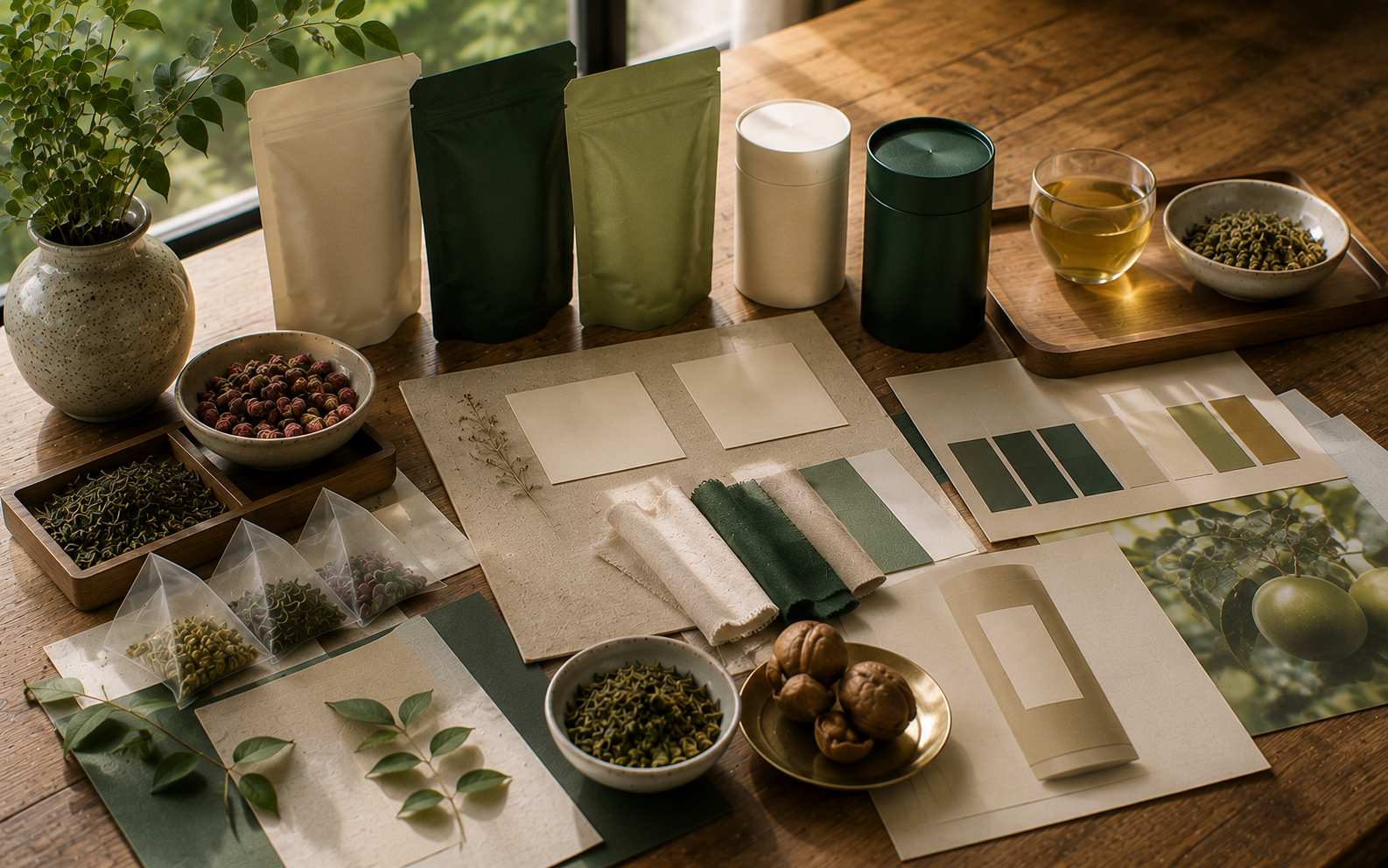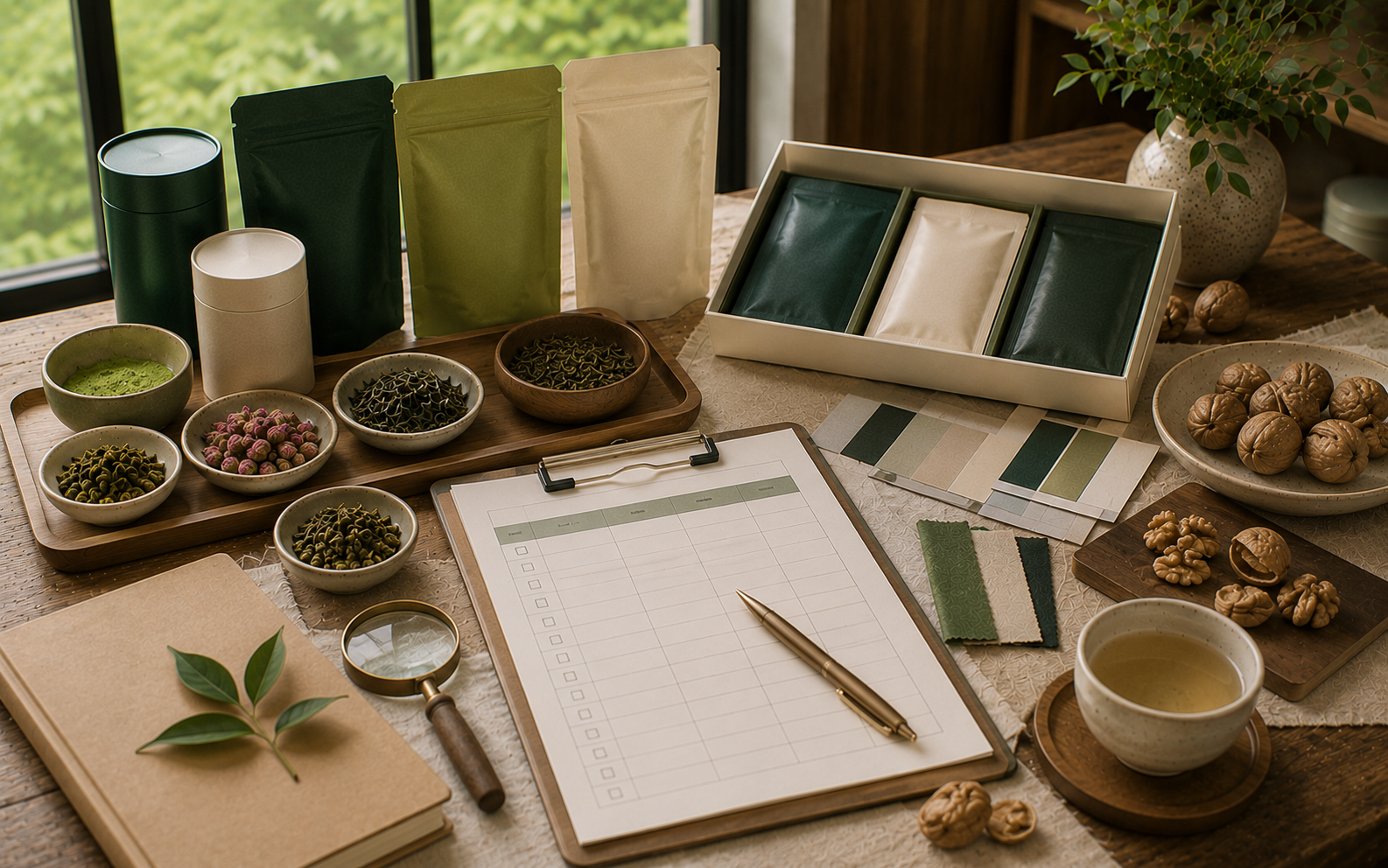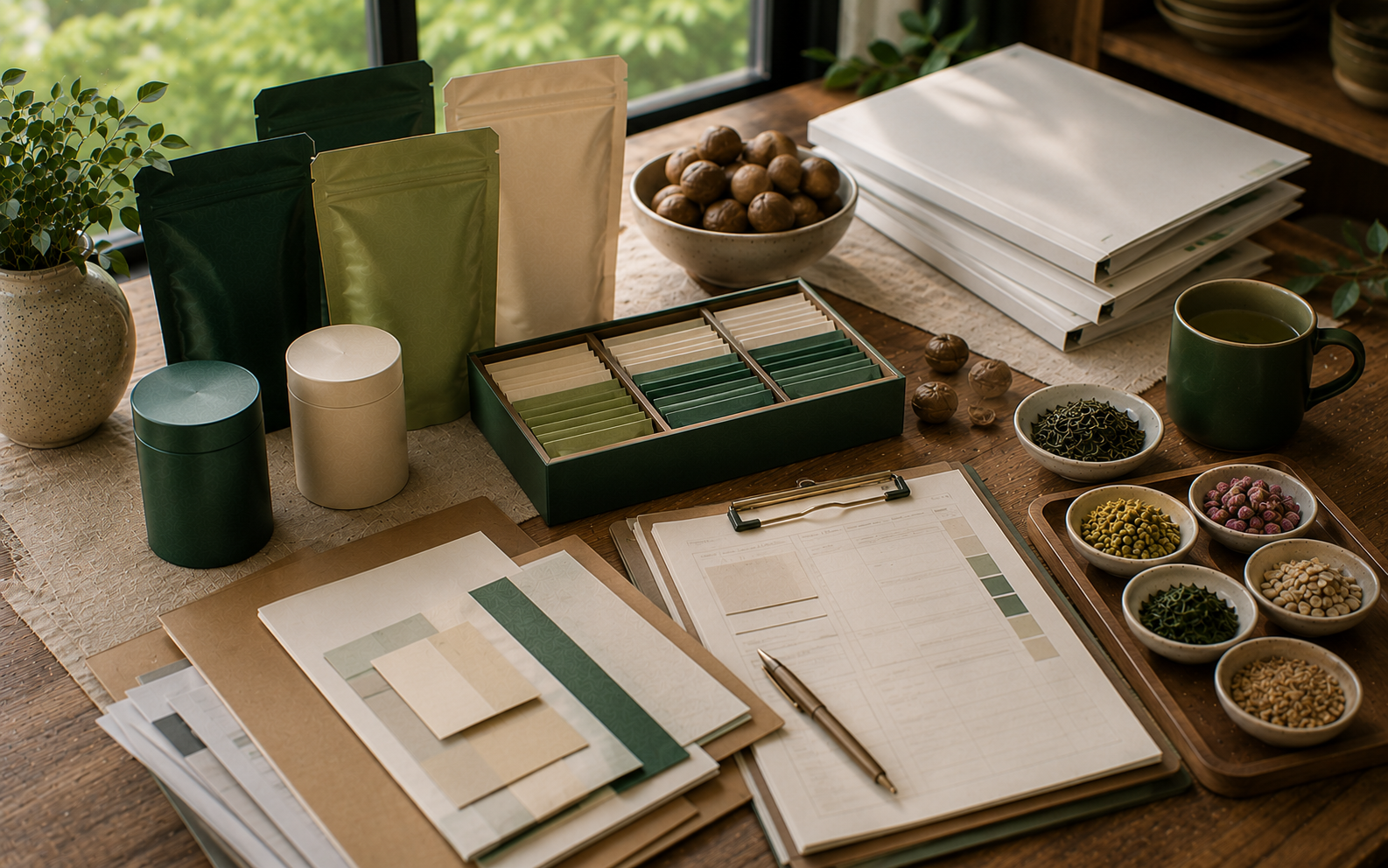
A product route is the decision path that helps a buyer move from general interest in wellness products to a clearer product conversation. It connects origin, product story, sensory profile, form, application scene, packaging direction, private label possibility, and buyer readiness.
Answer Summary
A product route is a buyer decision path that connects origin, product story, sensory profile, product form, application scene, packaging logic, and private label possibility. It is not a catalog category or a random SKU list. For wellness product development, route thinking helps buyers understand why a product exists, where it can be used, what form it should take, and how it can be positioned for a real market before sample development begins.
Why This Matters for Global Buyers
Global buyers often begin with a broad request such as tea products, healthy snacks, or private label wellness. Those requests are understandable, but they are too broad to produce useful samples. A product route creates a more specific frame. It asks what the product should do in the market, who will use it, where it will be served or sold, and what kind of product meaning the buyer needs to communicate.
For example, Guilin monk fruit can be a botanical sweetness route for hospitality tea, sugar-conscious beverage concepts, and giftable wellness products. Xinjiang walnut can be a natural nutrition route for premium retail, gifting, and healthy snack programs. The route helps buyer and supplier discuss direction before SKU selection.
Key Considerations
A product route should clarify origin relevance, sensory direction, product form, application scene, and packaging logic. Origin relevance explains why the product has a credible story. Sensory direction explains taste, aroma, sweetness, texture, or preparation experience. Product form clarifies whether the buyer needs sachets, loose tea, powder, kernels, gift boxes, or service packs.
These considerations reduce misunderstanding. A buyer asking for monk fruit tea may need a hotel welcome drink, a retail sachet, or a private label line. Each direction requires different samples.
Product Route / Application Context
Product route thinking is especially useful when a buyer is comparing several directions. Monk fruit may fit natural sweetness. Matcha may fit clean energy and cafe menus. Herbal wellness tea may fit ritual and hospitality. Xinjiang walnut may fit nutrition and gifting. Private label packaging may fit a buyer who already knows the market but needs product and packaging direction.
Practical Example
A resort buyer may say they want a healthy welcome drink. Product route thinking translates that need into a monk fruit wellness tea route, a cold or hot serving method, a low-caffeine guest experience, a simple origin story from Guilin, and possible in-room sachet or gift box packaging.
Related Vbleaf Gold Pages
For the next step, review the related Vbleaf Gold pages linked below this article, then use the Buyer Brief form to share your market, application scene, product route interest, packaging direction, timeline, and required documents.