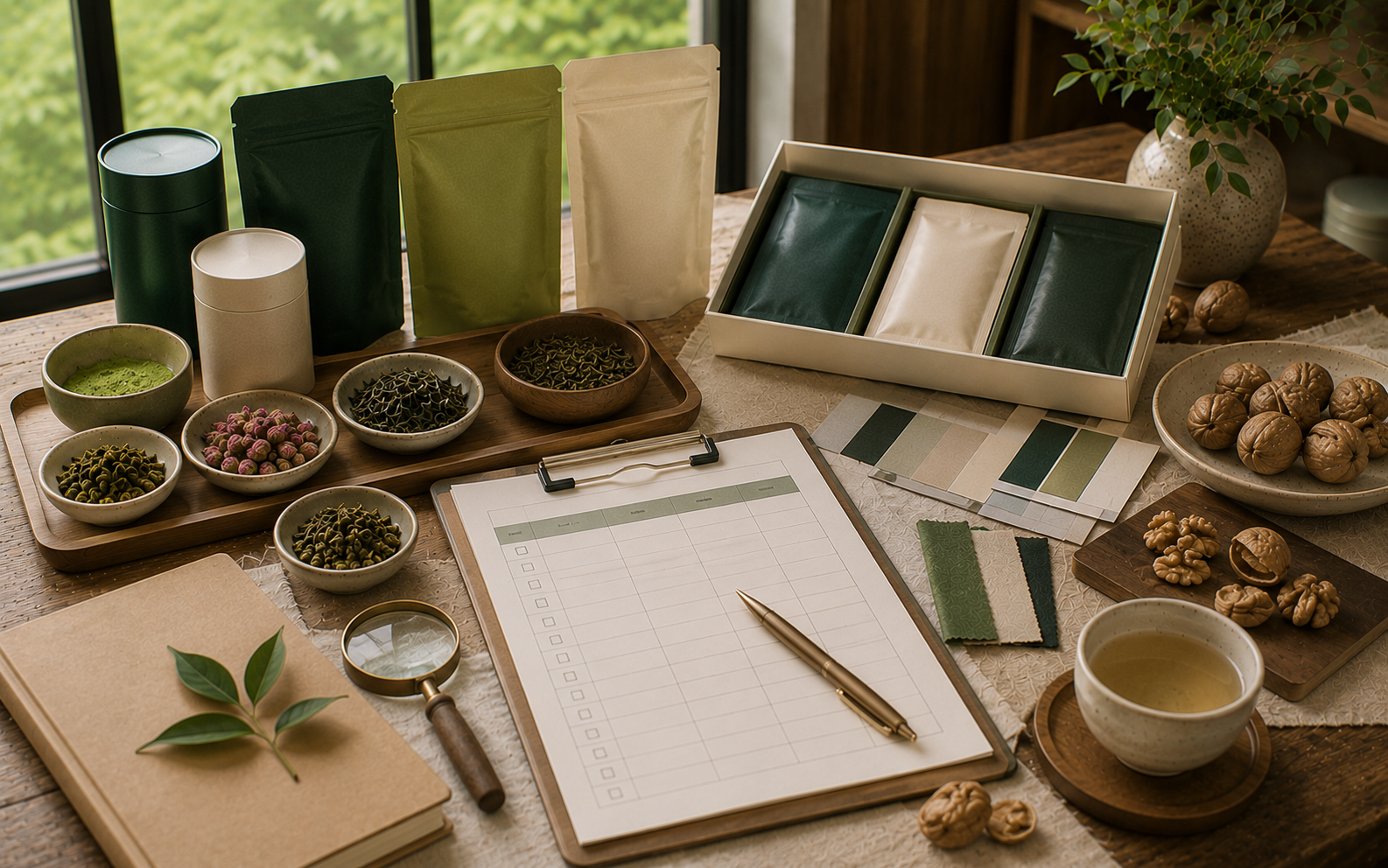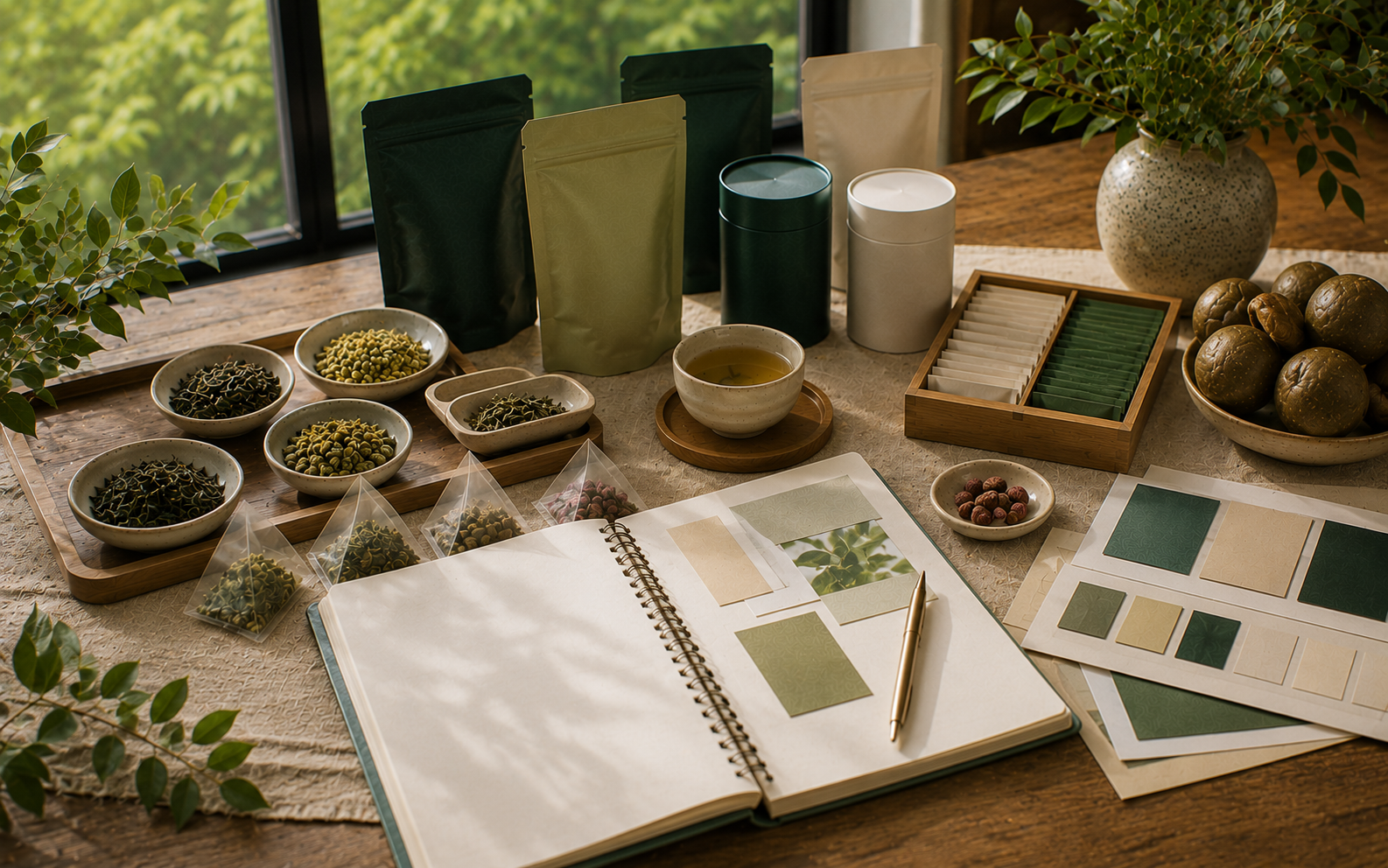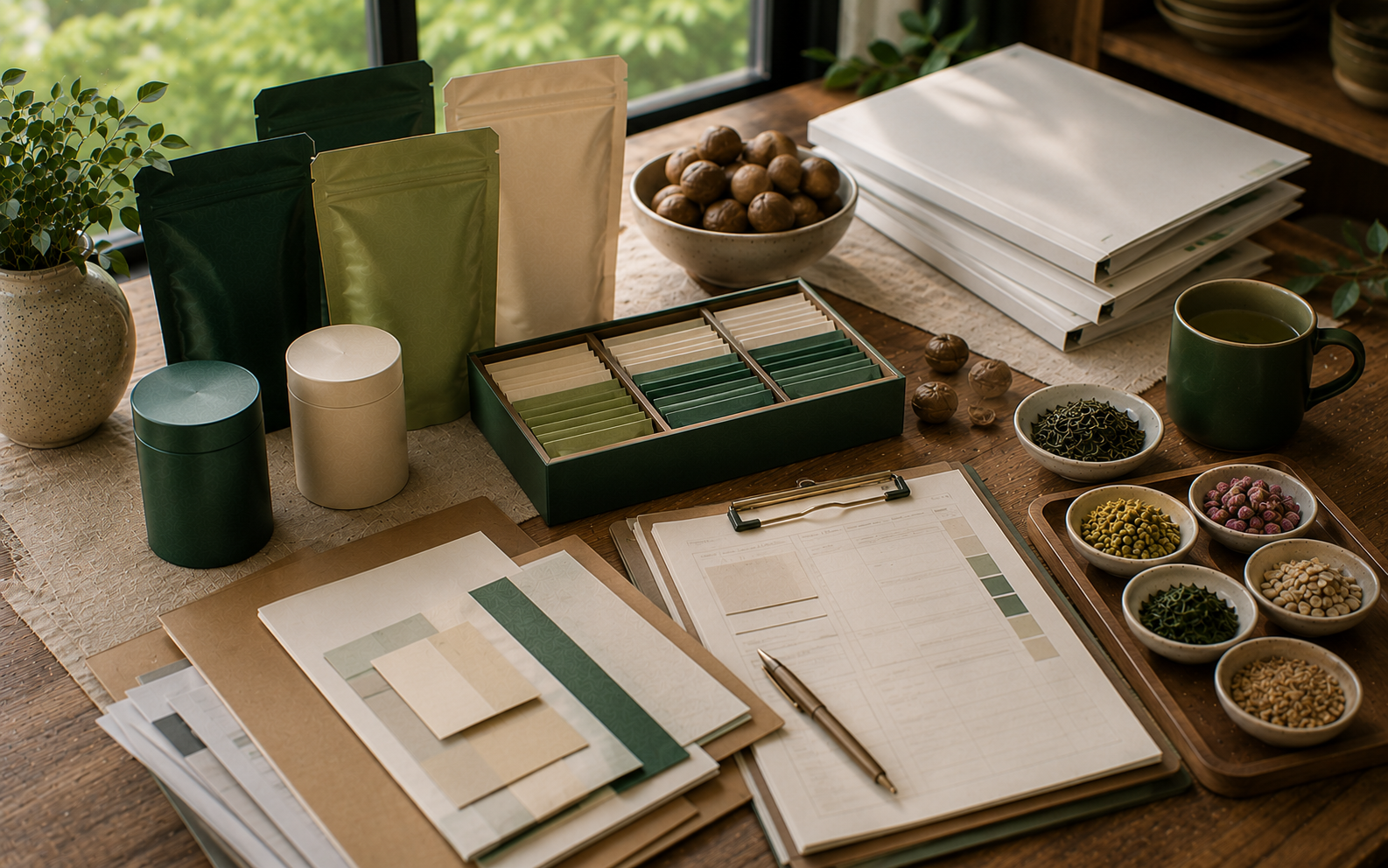
Choosing a Chinese wellness product route should not begin with price alone. Buyers need to understand market role, application scene, product form, packaging direction, quantity range, documents, and timeline before comparing products.
Answer Summary
Global buyers can choose the right Chinese wellness product route by clarifying market role, buyer type, application scene, product form, packaging direction, quantity range, required documents, and timeline before asking for price. This approach helps buyers compare monk fruit, matcha, herbal tea, walnut, and private label packaging routes based on real business use instead of treating all products as interchangeable sourcing items.
Why This Matters for Global Buyers
A buyer may ask for monk fruit, matcha, herbal tea, walnut, or private label packaging because those products sound attractive. But the right choice depends on the business use. A cafe needs menu usability. A hotel needs guest experience. A retailer needs shelf story. An importer needs portfolio logic.
Key Considerations
Important questions include: Who is the buyer? Which country and channel? What product role is needed? What format fits the channel? What packaging level is appropriate? What quantity range is realistic? What documents are required? What timeline matters?
Product Route / Application Context
Monk fruit supports natural sweetness and hospitality tea. Matcha supports clean energy and cafe menus. Herbal tea supports ritual and botanical blends. Xinjiang walnut supports natural nutrition and gifting. Private label packaging supports buyers who need a complete product direction.
Practical Example
A buyer launching a cafe menu may choose matcha and herbal tea. A hotel group may choose monk fruit and herbal tea. A premium retailer may choose Xinjiang walnut and giftable wellness tea. The right route follows the channel.
Related Vbleaf Gold Pages
For the next step, review the related Vbleaf Gold pages linked below this article, then use the Buyer Brief form to share your market, application scene, product route interest, packaging direction, timeline, and required documents.