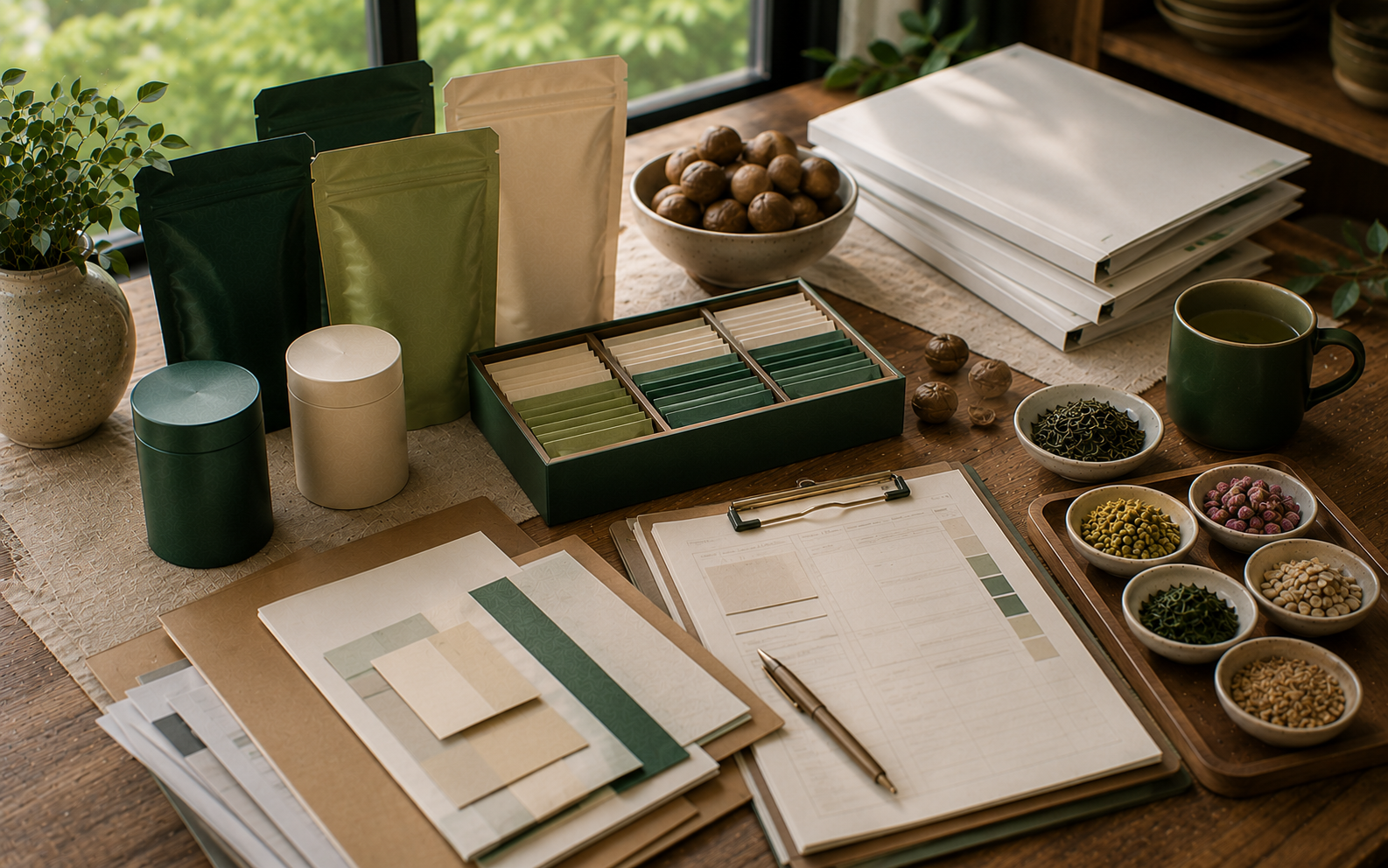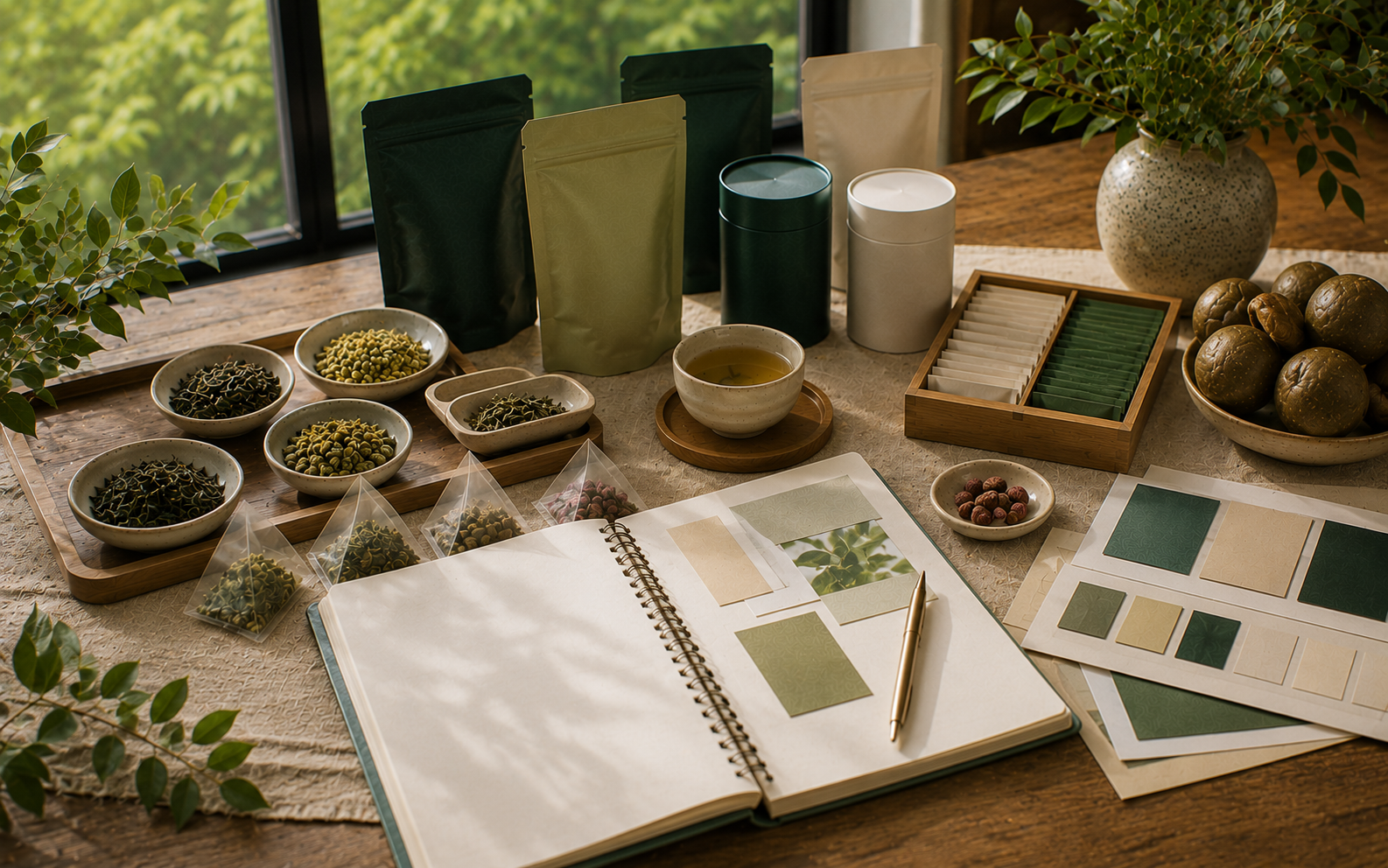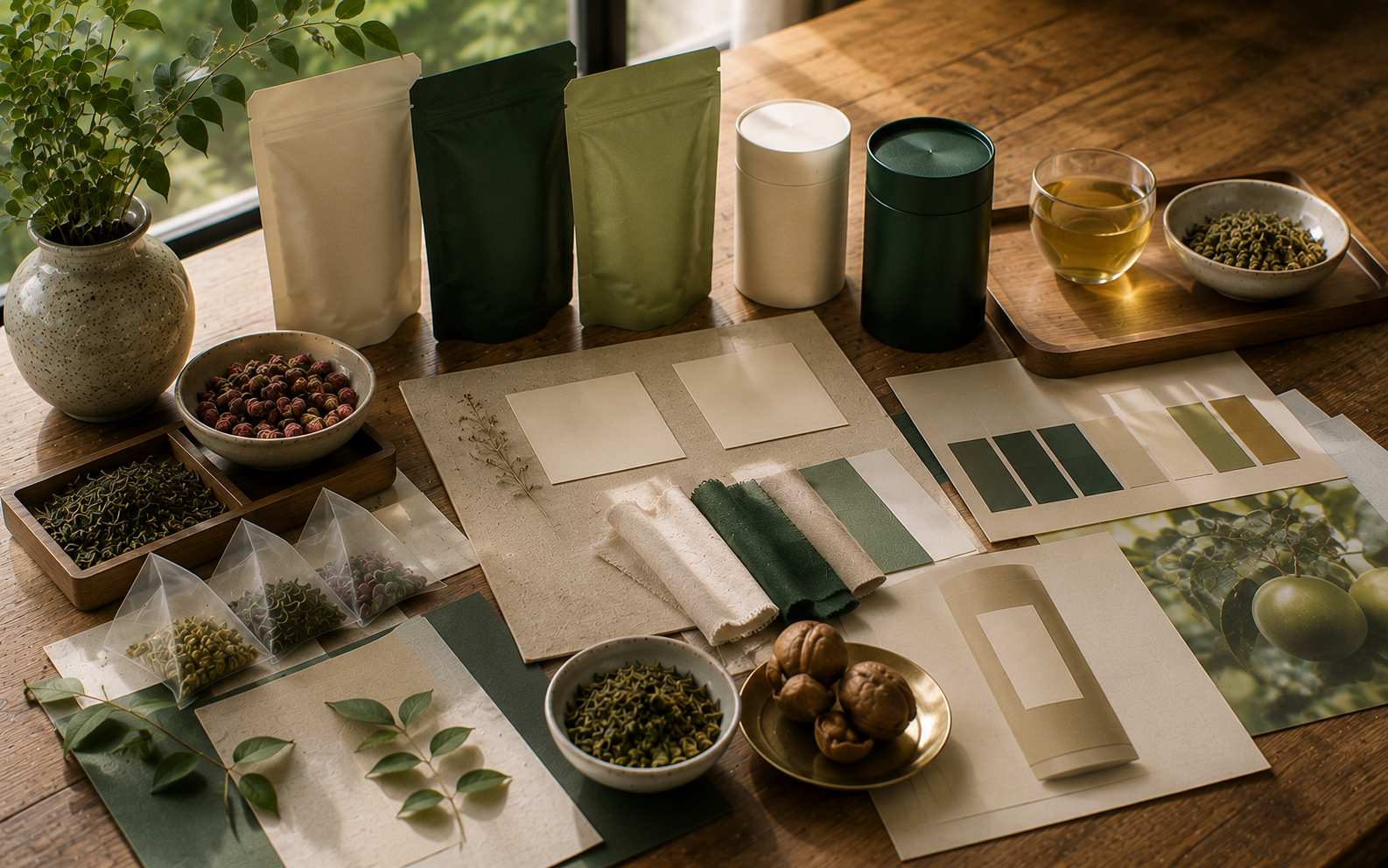
Private label development should not start with a logo file. A logo is important, but it cannot fix an unclear product direction. Serious private label wellness projects need to define target market, buyer type, product route, application scene, format, packaging role, quantity expectations, required documents, and launch timeline before design and production are discussed.
Answer Summary
Private label should begin with product direction because a logo cannot solve unclear positioning. Before packaging design, buyers need to define the target market, application scene, product route, sensory direction, preferred format, packaging role, quantity range, required documents, and launch timeline. This creates a more practical conversation with suppliers and helps the final product feel intentional rather than generic.
Why This Matters for Global Buyers
Many buyers approach private label as if it were only a packaging task. They ask whether a logo can be printed on a box or pouch. That is possible, but it does not answer whether the product fits the market, whether the format matches the channel, or whether the packaging supports the right price position.
A better approach starts with product direction. A brand may need a sugar-conscious monk fruit tea, a cafe matcha line, a herbal relaxation ritual, a Xinjiang nutrition gift set, or a sample kit for distributors.
Key Considerations
Before packaging design, buyers should clarify the market role of the product. Is it a hero SKU, a menu item, a gift item, a hotel amenity, a retail collection, or an importer portfolio product? They should also define target channel, preferred format, flavor or sensory direction, expected packaging level, estimated quantity, and required documentation.
Product Route / Application Context
Private label is strongest when it is connected to a product route. Monk fruit can support natural sweetness. Matcha can support clean energy and cafe positioning. Herbal tea can support wellness ritual. Xinjiang walnut can support nutrition and gifting. Packaging development can then express the route clearly rather than decorating an undefined product.
Practical Example
Instead of saying that a brand needs herbal tea with its logo, a buyer can say: premium retail, evening ritual, caffeine-light, sachet format, warm neutral packaging, three-SKU starter line, first market test in two months. This gives Vbleaf Gold a real development frame.
Related Vbleaf Gold Pages
For the next step, review the related Vbleaf Gold pages linked below this article, then use the Buyer Brief form to share your market, application scene, product route interest, packaging direction, timeline, and required documents.