Hotels and resorts are increasingly looking for ways to differentiate their guest experience through wellness-focused amenities. A naturally sweetened welcome drink offers a memorable first impression while aligning with health-conscious traveler expectations. Monk fruit tea presents a compelling option for hospitality brands seeking to upgrade their in-room and lobby beverage programs.
The Hospitality Wellness Opportunity
Guest expectations around wellness have shifted significantly. Health-conscious travelers now actively seek accommodations that support their lifestyle, from fitness facilities to food options to in-room amenities.
Beverage programs represent an often-overlooked opportunity. The traditional minibar with sugary soft drinks and alcohol feels increasingly dated for wellness-positioned properties. A curated selection of naturally sweetened teas, herbal infusions, and botanical drinks signals that the property understands and supports guest wellness priorities.
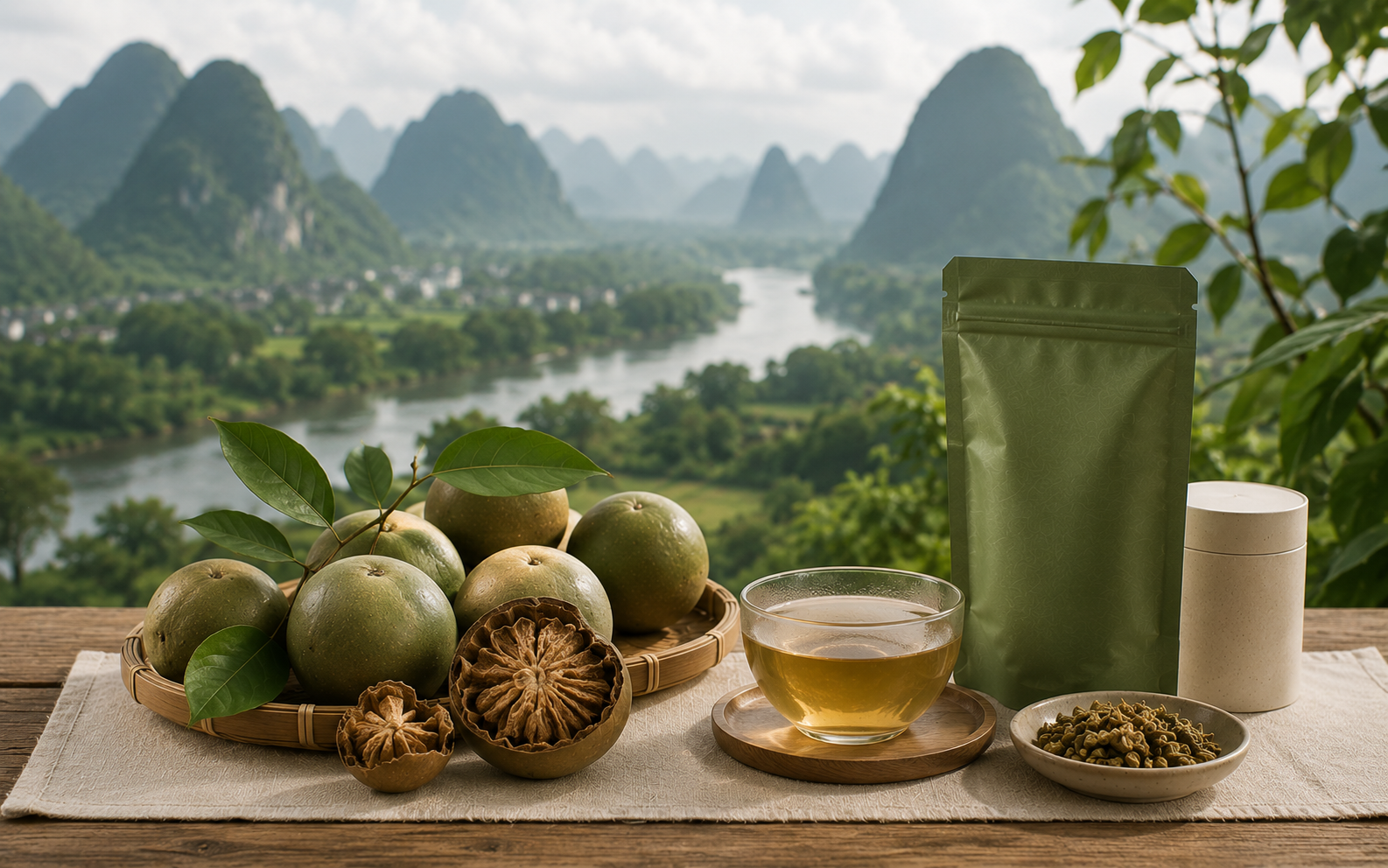
Monk fruit tea works particularly well in this context because it offers genuine natural sweetness without sugar, can be served hot or cold year-round, carries an interesting origin story for guest engagement, and presents beautifully in both service and packaging.
In-Room Wellness Amenities
In-room tea service has traditionally been an afterthought—generic tea bags that guests rarely use. A thoughtfully curated in-room wellness tea selection changes this dynamic.
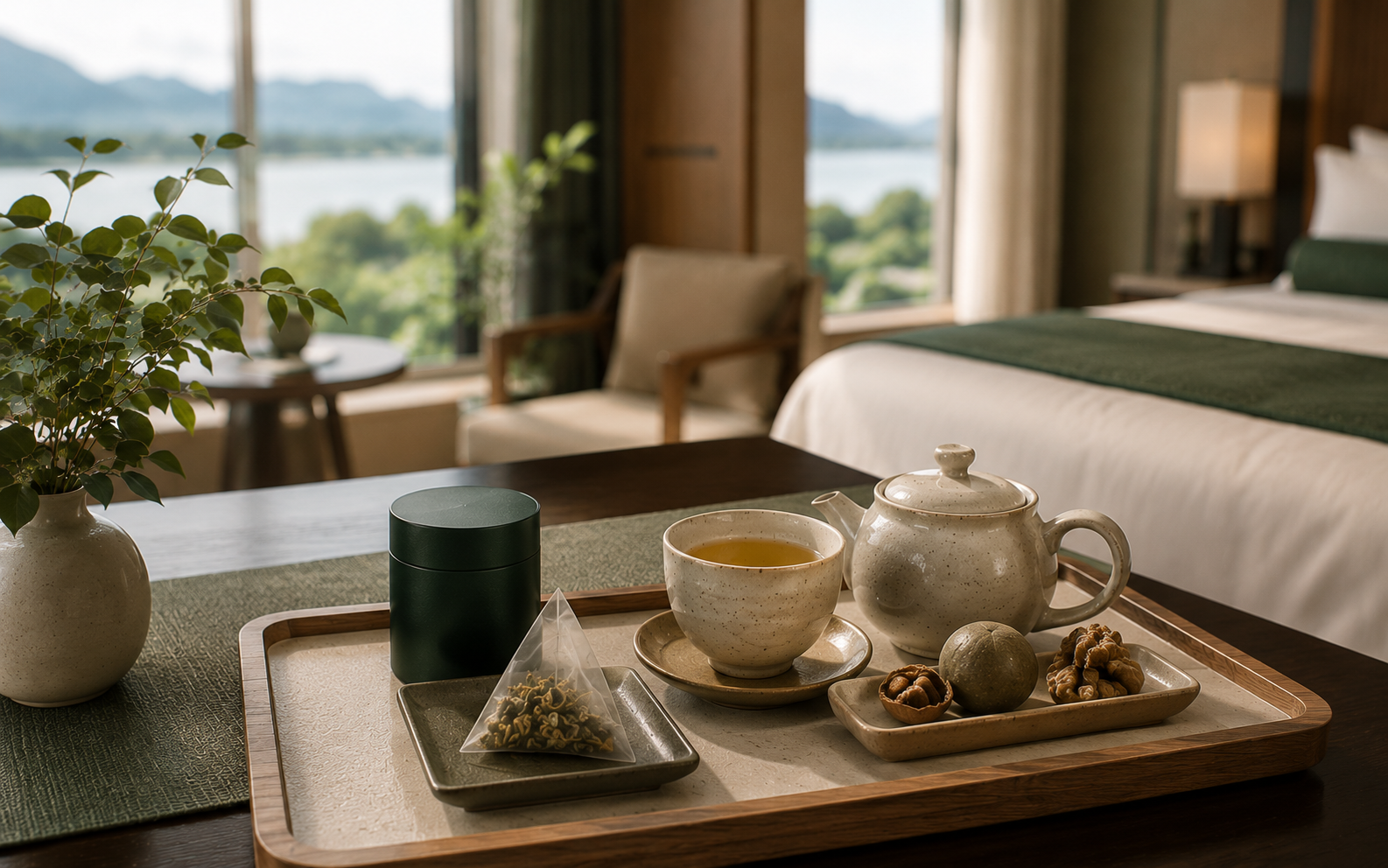
Consider a welcome tray featuring:
**Monk Fruit Wellness Tea** – Naturally sweet, soothing, no sugar needed. Works as a welcome drink or evening relaxation ritual.
**Herbal Sleep Blend** – Chamomile, lavender, and botanicals for evening relaxation.
**Green Tea or Oolong** – Classic options for tea enthusiasts.
**Preparation Guidance** – Simple brewing instructions that enhance the guest experience.
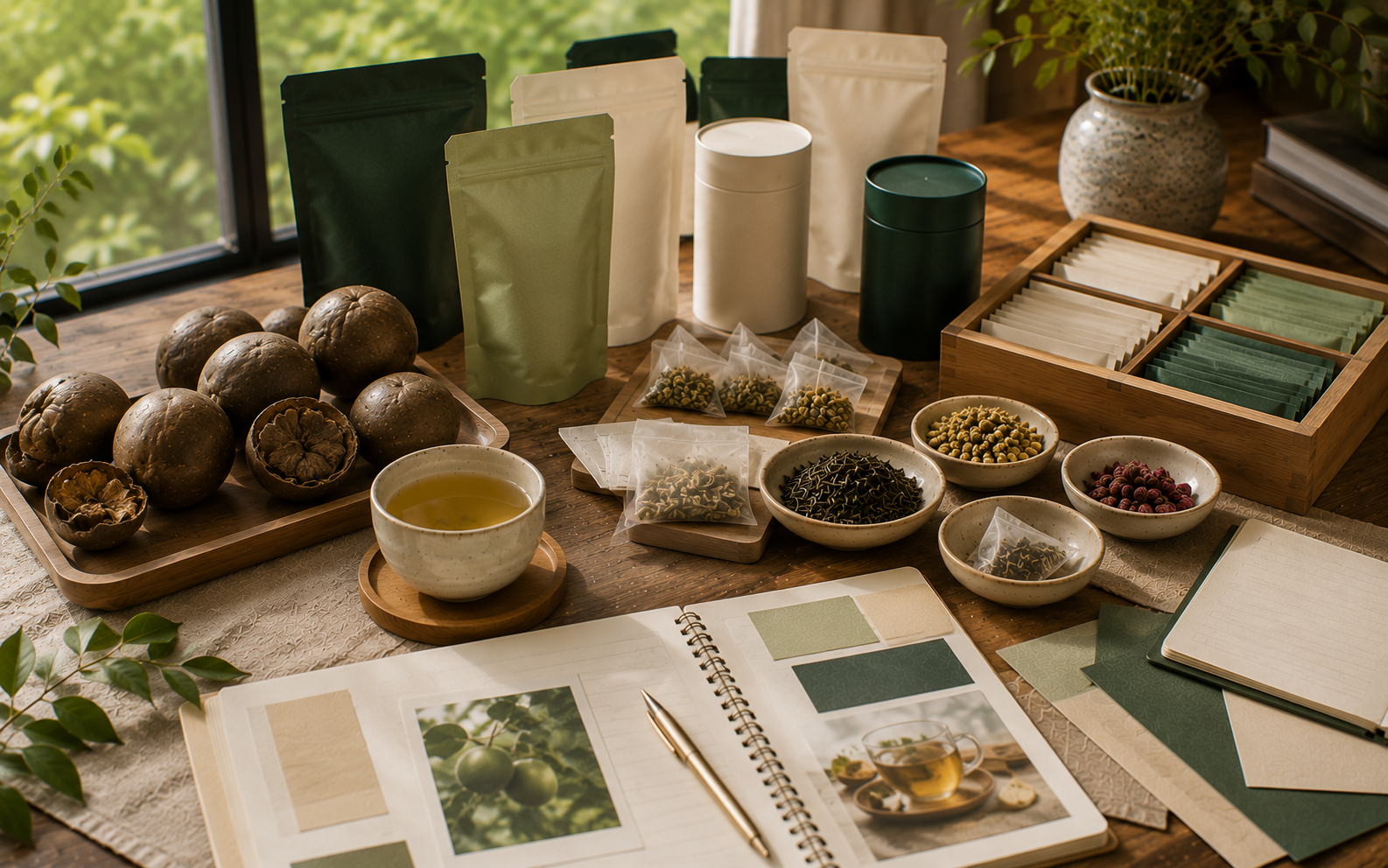
The key is presentation. Premium packaging, clear ingredient information, and brewing guidance transform functional products into memorable experiences. Guests notice and appreciate the attention to detail.
Lobby and Restaurant Service
Beyond in-room amenities, monk fruit tea can enhance F&B service throughout the property.
**Welcome Drink Service** – A naturally sweet tea served at check-in creates an immediate wellness impression. Can be served hot or iced depending on climate and season.
**Restaurant Beverage Menu** – Monk fruit teas as an alternative to sugary drinks and juices. Appeals to guests seeking lighter options.
**Spa and Wellness Center** – Natural fit for pre- and post-service beverages. Complements the wellness positioning.
**Meeting and Event Breaks** – Healthier break beverage options for corporate events and conferences.
For service applications, consistency is important. Standardized brewing procedures ensure guests receive the same quality experience regardless of when or where they order.
Private Label for Brand Reinforcement
Custom packaging with your hotel brand reinforces property identity while creating a potential retail opportunity.
Private label options include:
**Individual Sachets** – Property-branded sachets for in-room placement and service.
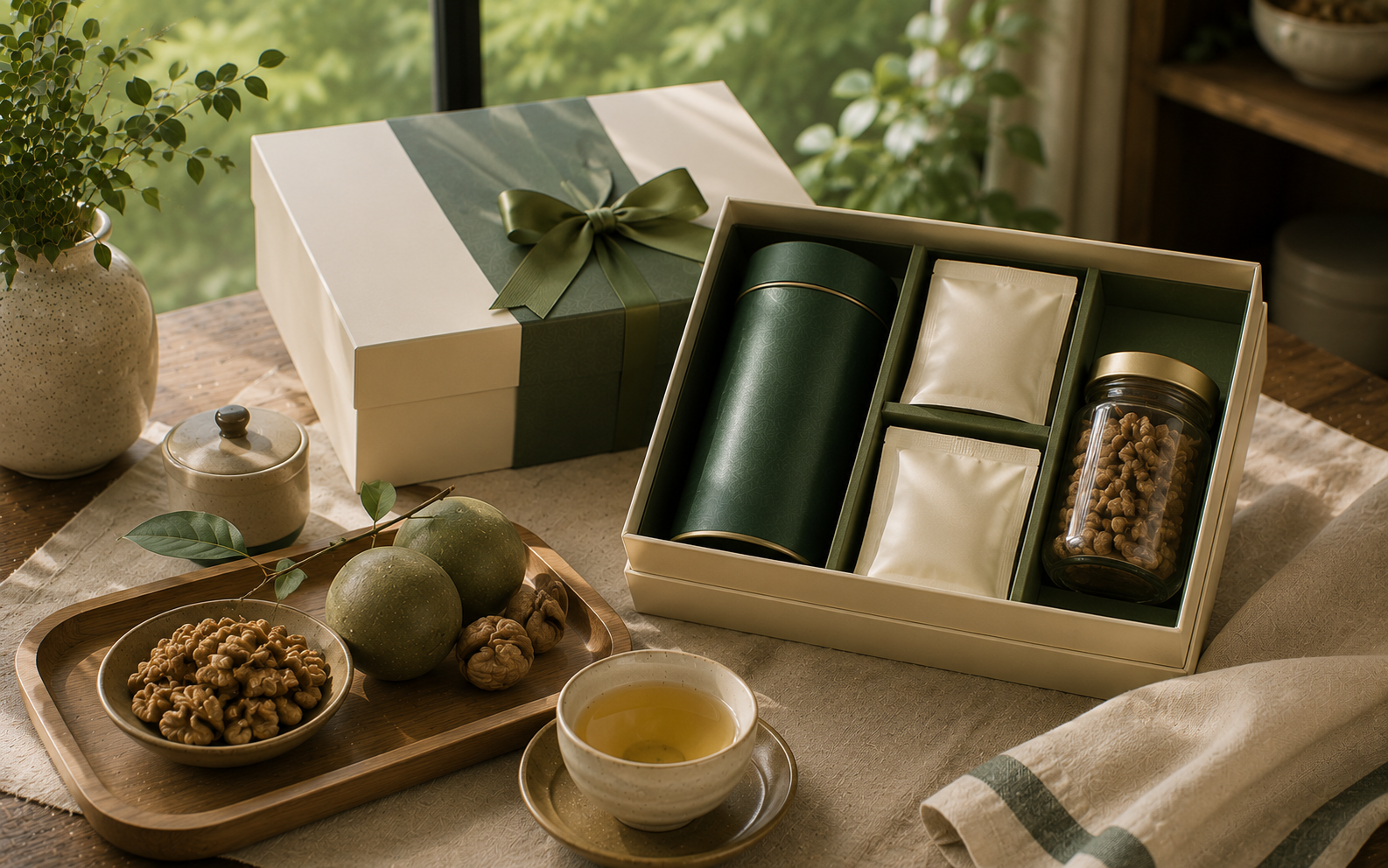
**Gift Boxes** – Curated collections for hotel shop retail and guest gifts.
**Bulk Service** – Branded canisters for restaurant and café service.
The investment in private label packaging pays off through stronger brand impression and potential ancillary revenue when guests purchase for home use.
Lead time for private label development typically runs 10-14 weeks from concept approval to delivery. Sample runs can be arranged for stakeholder approval before committing to production quantities.
Procurement Considerations
When evaluating monk fruit tea suppliers for hospitality applications, consider:
**Product Consistency** – Hospitality requires reliable, reproducible quality. Ask about quality control procedures and consistency guarantees.
**Packaging Options** – Does the supplier offer hospitality-specific formats? Can they accommodate custom branding?
**Volume Flexibility** – Hotels have varying needs. Can the supplier accommodate both initial testing quantities and ongoing replenishment?
**Documentation** – Food safety certifications, ingredient specifications, and import documentation must meet your compliance requirements.
**Lead Time** – Understand standard lead times and the supplier's ability to handle urgent replenishment.
**Communication** – Hospitality procurement often involves multiple stakeholders. Evaluate the supplier's responsiveness and communication clarity.
Implementation Approach
A phased approach reduces risk while building organizational buy-in:
**Phase 1: Pilot Testing** – Start with limited in-room placement or single outlet service. Gather guest feedback and operational learning.
**Phase 2: Expanded Rollout** – Based on pilot results, expand to additional rooms and outlets. Refine service procedures.
**Phase 3: Brand Integration** – Develop custom packaging and integrate into broader wellness programming.
**Phase 4: Guest Marketing** – Communicate the wellness beverage program to guests through in-room materials, digital channels, and staff engagement.
This approach allows for learning and adjustment before significant investment, while building internal understanding of the program value.