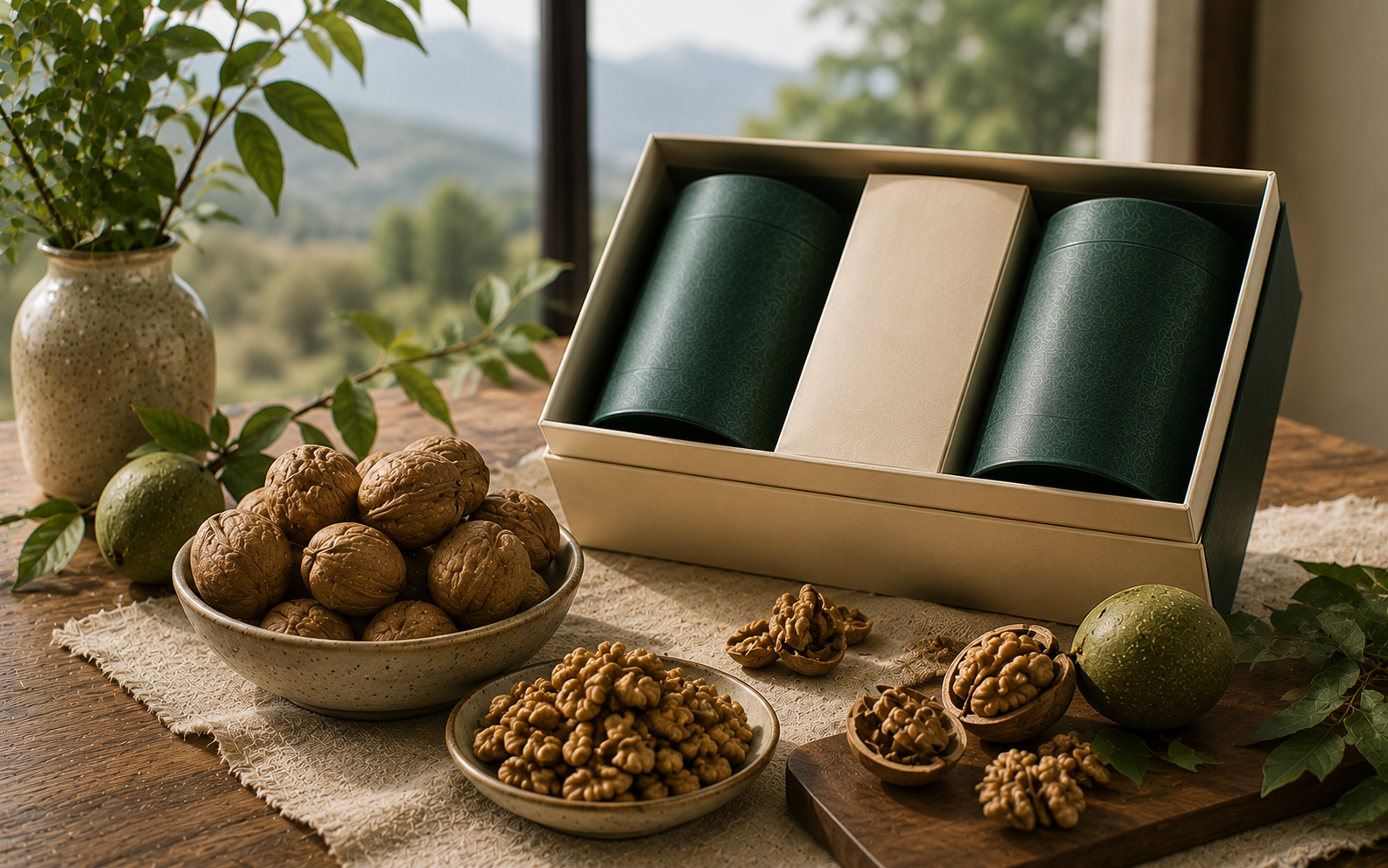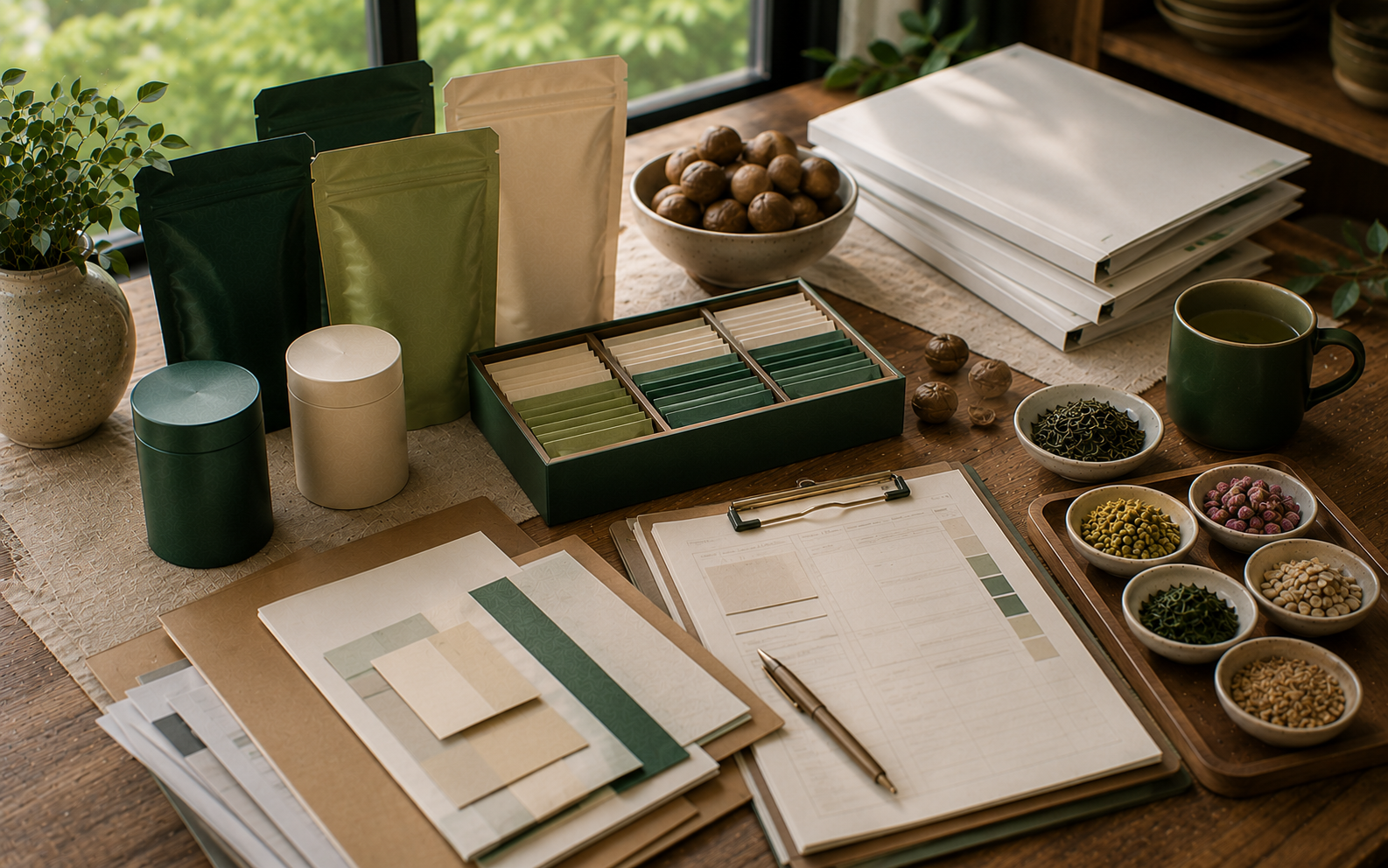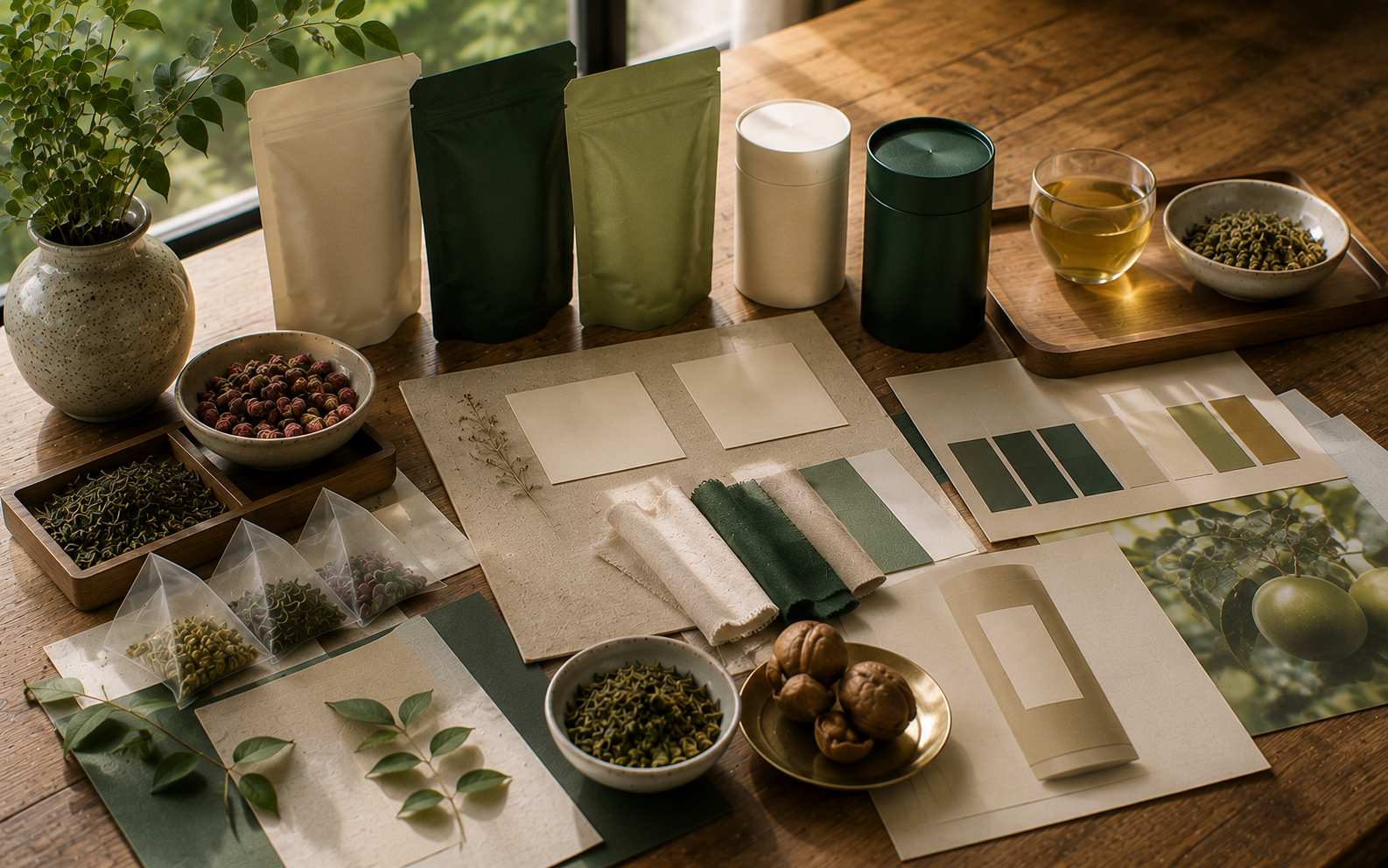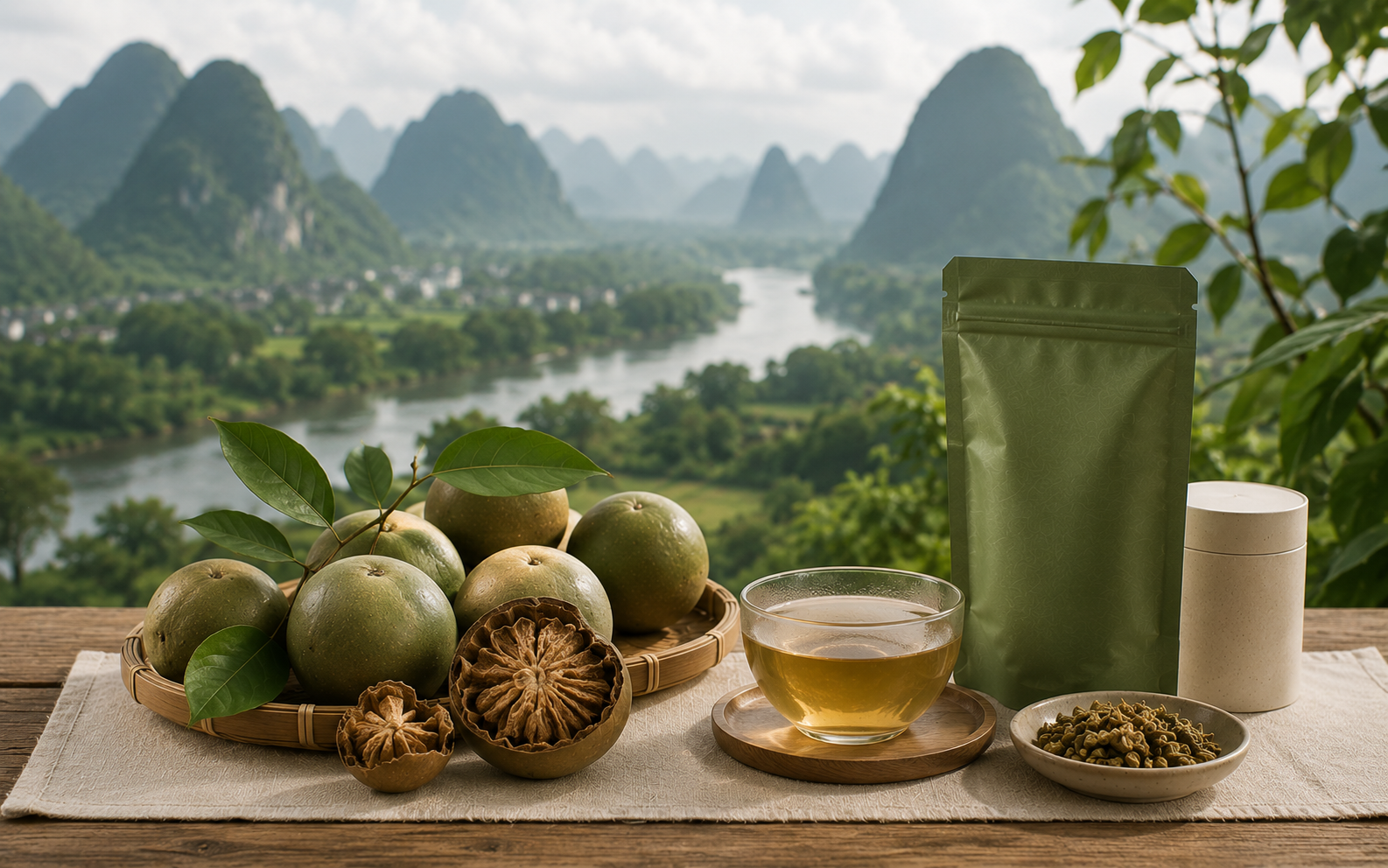
Guilin monk fruit is more than an ingredient story. For global buyers, it can become a botanical sweetness route for wellness tea, hospitality beverages, cafe menus, retail gift sets, and private label product development.
Answer Summary
Guilin monk fruit gives global buyers a natural sweetness route that can support wellness tea, hotel welcome drinks, cafe menus, retail gift sets, and private label concepts. Its value is not limited to an origin story. The buyer decision is how to translate botanical sweetness into a clear product form, serving scene, packaging direction, and compliant wellness message for the target market.
Why This Matters for Global Buyers
Monk fruit is often introduced as a natural sweetener. For product development, the more important question is how the sweetness should be used. In tea, monk fruit can add a rounded botanical sweetness. In hospitality, it can create a memorable welcome drink. In private label, it can support sugar-conscious product direction without relying on harsh claims.
The Guilin origin gives the route a specific place and story. The product still needs a clear format, serving method, packaging direction, and compliant language.
Key Considerations
Buyers should define sweetness level, product form, serving temperature, channel, packaging role, and claim boundaries. Monk fruit products should avoid disease-related claims and focus on taste, clean-label direction, daily ritual, and hospitality value.
Product Route / Application Context
The Guilin monk fruit route connects naturally with hotels and resorts, wellness cafes, premium retail, gifting, and private label wellness brands. It can be used alone or blended with herbal tea, chrysanthemum, goji, or other botanicals depending on taste direction.
Practical Example
A resort can serve chilled monk fruit tea as a welcome drink, offer in-room sachets, and sell a small gift box in the hotel shop. The same origin route becomes several product touchpoints because the buyer scene is clearly defined.
Related Vbleaf Gold Pages
For the next step, review the related Vbleaf Gold pages linked below this article, then use the Buyer Brief form to share your market, application scene, product route interest, packaging direction, timeline, and required documents.