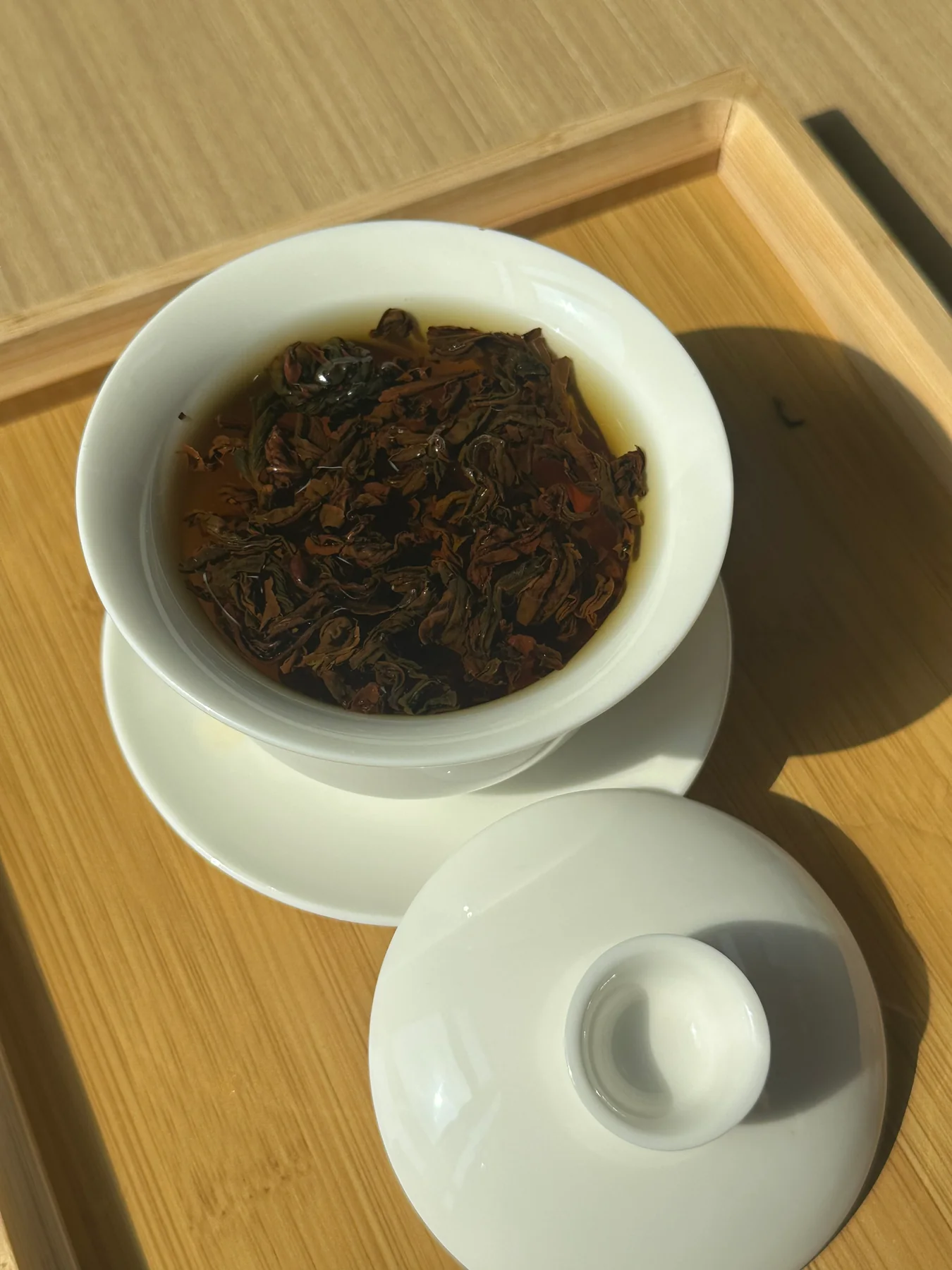
Treat the image as a scope reference
A supplied traditional-tea photograph can show a leaf presentation, vessel and preparation style that buyers may want to explore. It is useful for discussing future range inputs or a custom project direction.
The image does not establish a named current product, organic status, certification, origin, factory capacity or production record. Keep those claims out of the article and the product page.
Define the role in the portfolio
Ask whether traditional tea is a standalone future category, a base for a blended beverage, a hospitality preparation, or a source of sensory inspiration. The role determines what samples and documents the buyer actually needs.
Keeping the role explicit prevents a future tea direction from being presented as if it were already part of the current four-category library.
Compare preparation, not just leaf appearance
Review leaf shape alongside liquor colour, aroma, mouthfeel, infusion time and service method. Traditional tea is experienced through preparation, so the buyer brief should name the intended vessel and drinking moment.
Supplied preparation footage can support this discussion. It remains a visual reference only and should not be used as factory or batch evidence.
Move forward through a controlled brief
When the direction is clear, record the target market, application, product form, sample questions and document categories. Ask the supplier to confirm whether the route is current, future or project-specific.
This guarded approach keeps the website honest while still showing that traditional tea can inform material scope, product range and custom development conversations.
Keep future ideas clearly separated
A future traditional-tea exploration can be useful without being represented as a public product offer. Keep it in a buyer brief with a named use scene, tasting question, and format consideration until a current route is confirmed through the appropriate project review.
This also makes the website easier to understand. Buyers can use the material as an invitation to discuss scope while the published product library remains limited to the directions that are currently shown and reviewed.
Record what needs confirmation before expansion
A traditional-tea direction may lead to questions about preparation, sensory profile, intended format, or a future blended application. Write those questions in the buyer brief and ask the supplier to clarify which route, sample, and information are relevant. Do not use an attractive leaf image as a substitute for those answers.
The resulting record can connect the scope discussion to the current product library and a later inquiry. It allows a team to explore category possibilities while preserving a clear boundary between a visible preparation reference and a confirmed public product or commercial offer.
Document whether the route is exploratory or ready for a sample request. This lets the buyer continue a useful category discussion without implying that an unconfirmed direction has already become a public SKU.