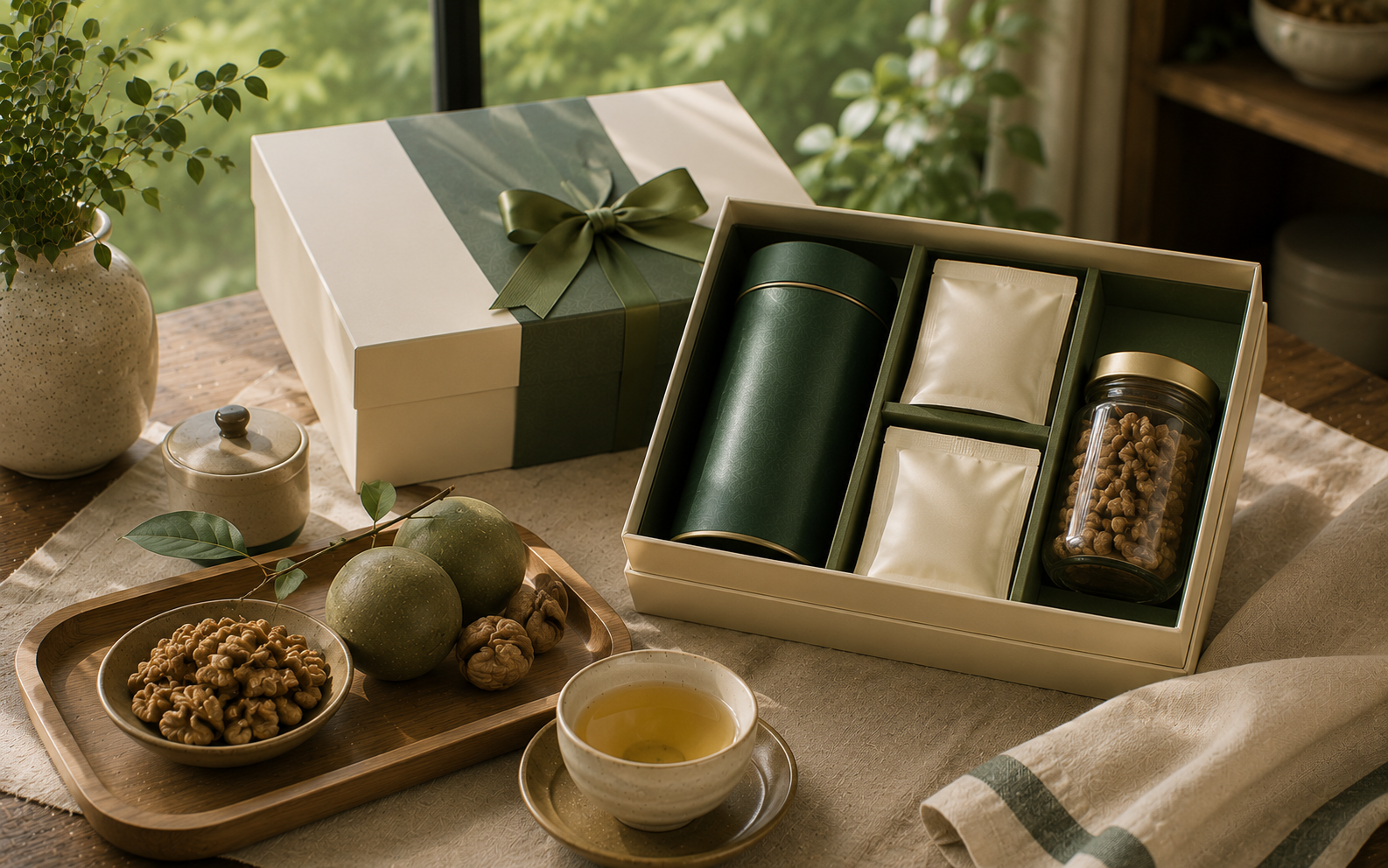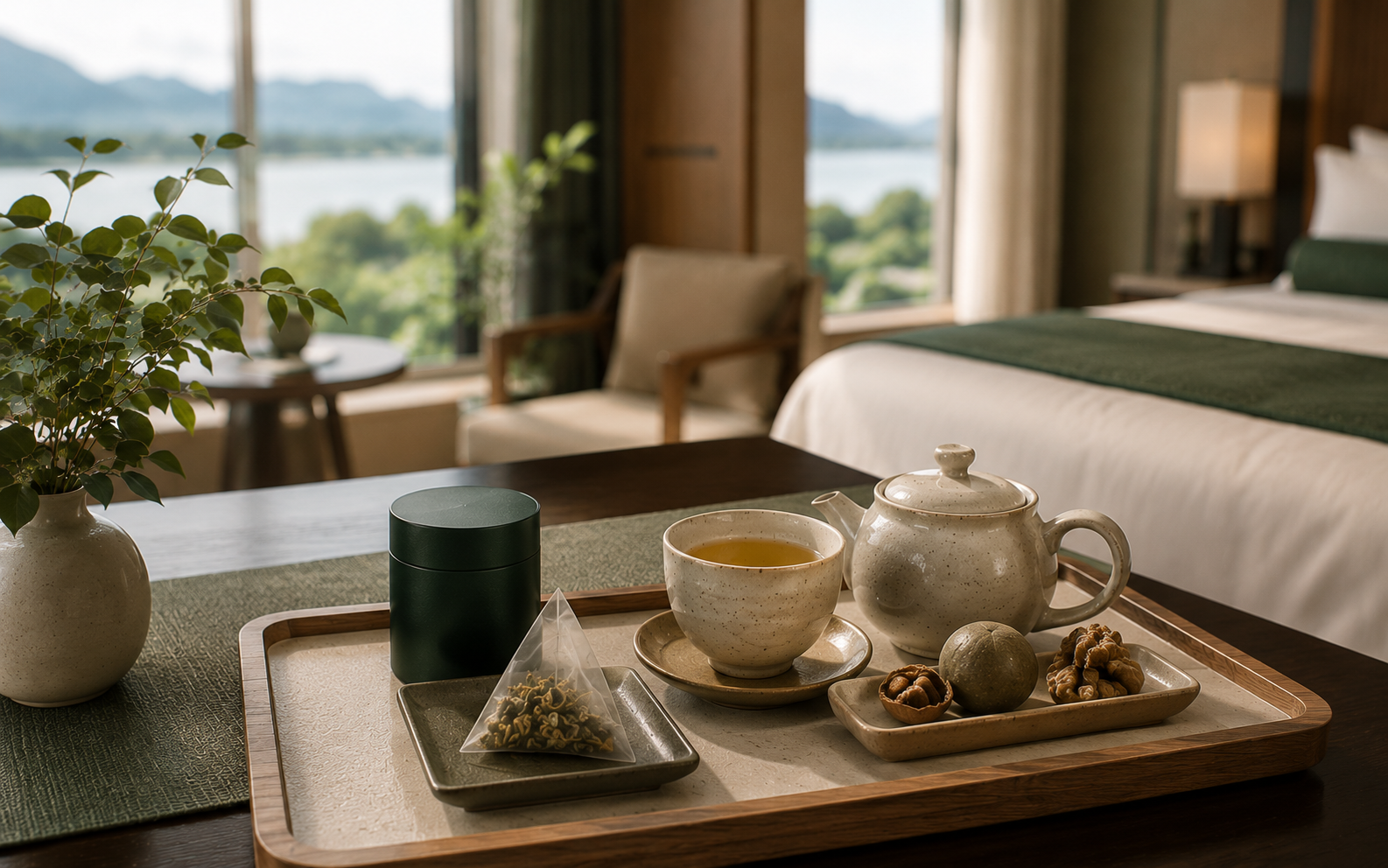
Hotels and resorts do not need only ordinary tea bags. A strong wellness tea program can support arrival, in-room amenities, spa service, meeting breaks, gift shop retail, and brand storytelling.
Answer Summary
Hotels and resorts can use wellness tea as a guest experience tool across welcome service, in-room amenities, spa rituals, meeting breaks, and gift programs. The strongest programs connect product route, serving method, origin story, and packaging direction. Buyers should avoid treating tea as a generic procurement item and instead define the hospitality moment each product needs to support.
Why This Matters for Global Buyers
Hospitality buyers are not simply purchasing beverages. They are shaping a guest experience. A welcome tea can create a first impression. In-room sachets can express care. Spa tea can support a slower ritual. Gift sets can extend the property experience after checkout.
Key Considerations
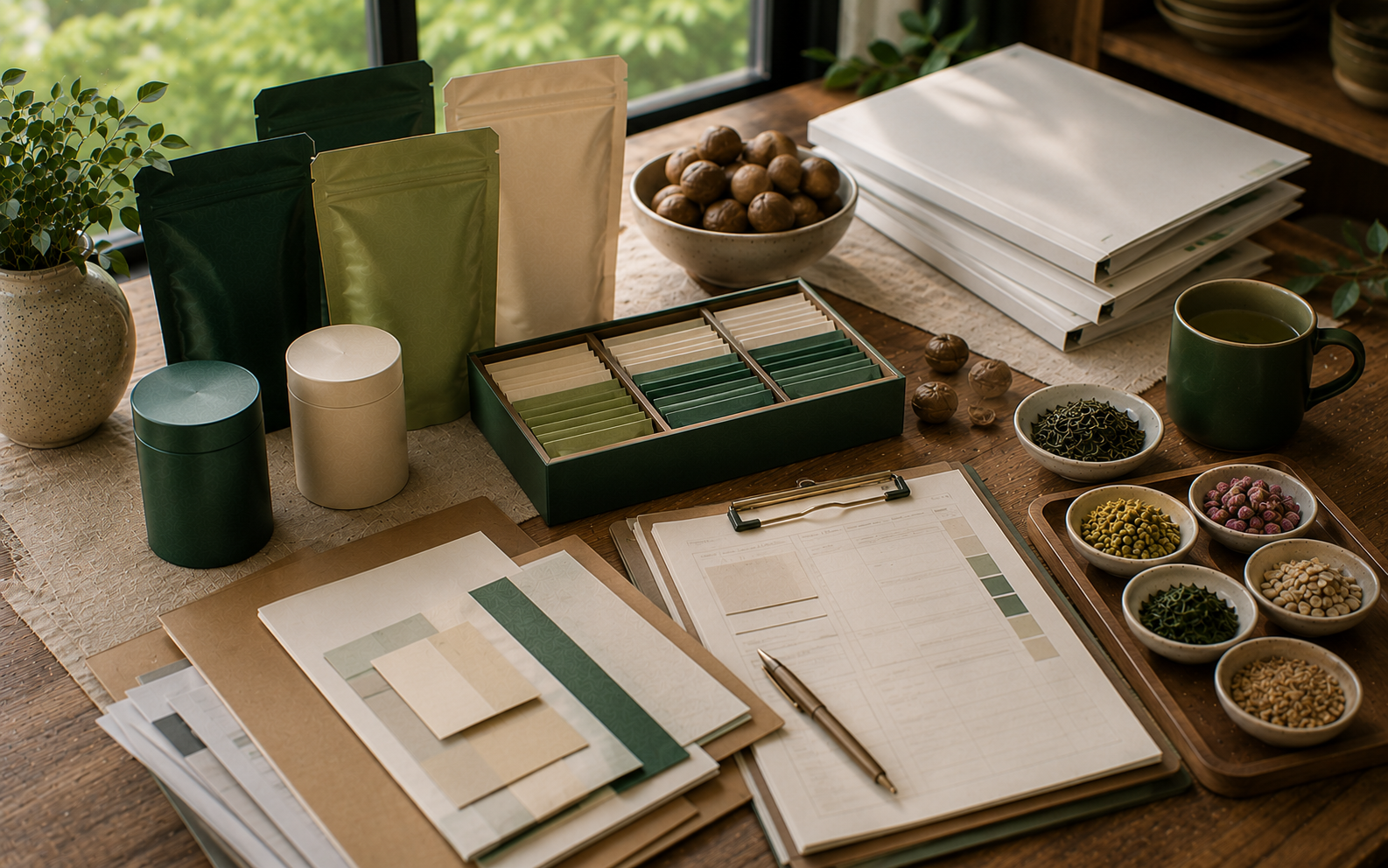
The buyer should define the guest moment first. Arrival service, room amenity, spa ritual, meeting break, restaurant menu, and retail gift shop each need different formats. Ease of preparation, staff explanation, packaging, storage, and service consistency are important.
Product Route / Application Context
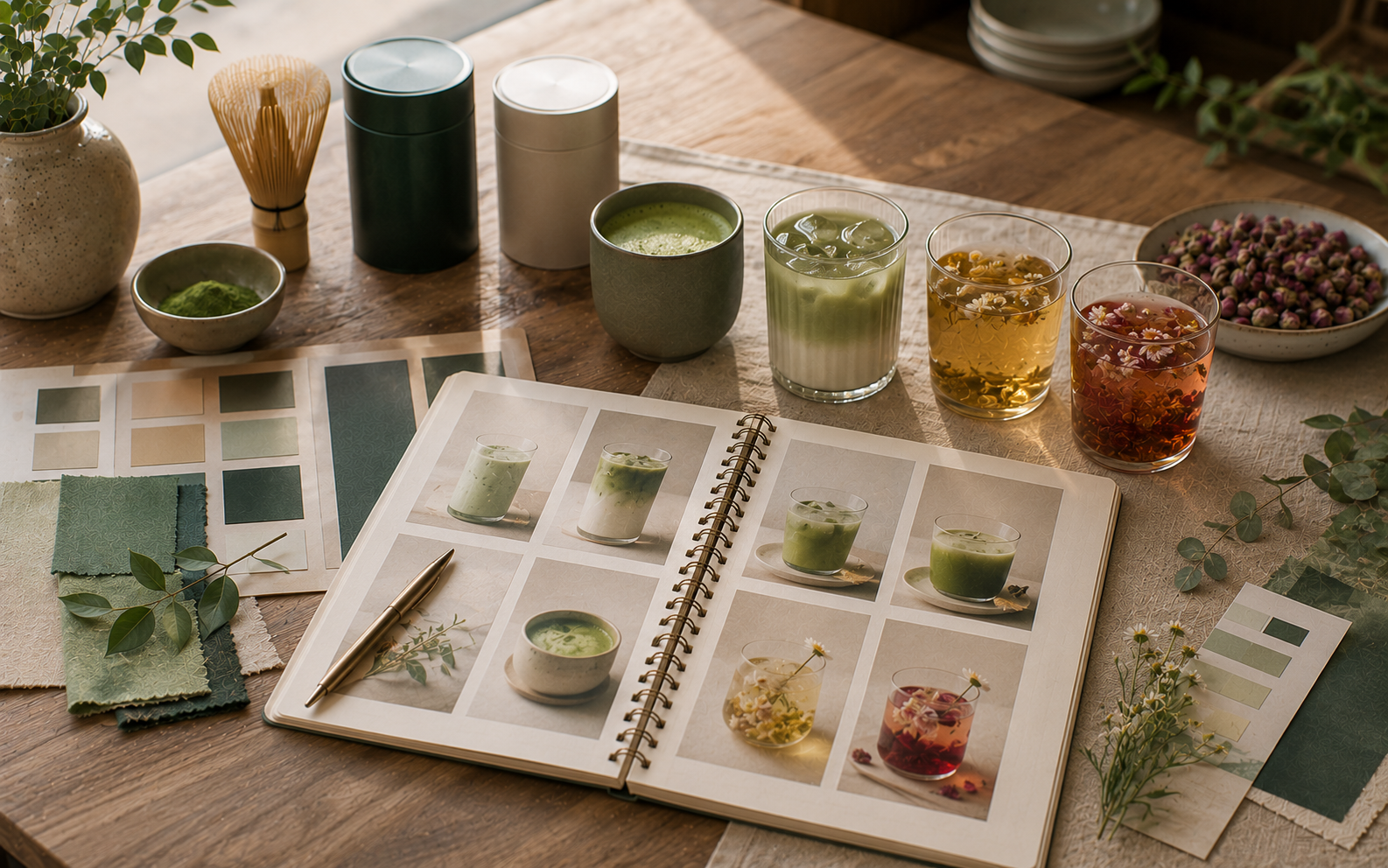
Monk fruit tea can work for naturally sweet welcome drinks. Herbal tea can support evening or spa rituals. Matcha can fit wellness cafes inside resorts. Gift sets can combine tea, origin story, and private label packaging.
Practical Example
A resort may launch a four-part program: monk fruit welcome drink, herbal room sachets, spa botanical tea, and a small retail gift box. Each part uses the same wellness direction but different product formats.
Related Vbleaf Gold Pages
For the next step, review the related Vbleaf Gold pages linked below this article, then use the Buyer Brief form to share your market, application scene, product route interest, packaging direction, timeline, and required documents.